

How Customs Works for Private Jet Travel
Private jets: seamless, premium travel. But amidst this exclusivity, a common question lingers: do private jets have to go through customs?
The answer, simply put, is yes. Like commercial airliners, private jets undertaking international travel must go through customs procedures. This guide explains private jet customs, highlighting the differences from commercial aviation and preparing you for international border crossings with a private charter.
Understanding the Customs Process for Private Jet Travel
While the experience may differ from navigating a bustling commercial airport, customs and security protocols are fundamental to international private jet travel. Here are eight key aspects to understand:
1. The Customs Examination
The customs examination for private jets is specifically tailored to this mode of aviation. It involves several key checks, including the aircraft's safety and regulatory compliance. As with any international travel, you do need a passport, as it serves as crucial identification during brief passenger interviews to ascertain the purpose of your trip and visa status. Also, customs officials will verify adherence to import and export regulations, particularly concerning luxury goods or artwork.
2. Personalised Handling at Private Terminals
One of the distinct benefits of private flights is the use of Fixed Base Operators (FBOs) or private terminals. These facilities offer a tranquil and exclusive environment, contrasting with the often-crowded main airport terminals.
Here, you can expect expedited processing, access to comfortable lounges, and dedicated concierge services. The infrastructure is also designed to accommodate unique needs, whether it's the arrival of pets, the transport of medical equipment, or specialised luggage.
3. Streamlined Security Measures
Security remains paramount, even in private aviation. While often more efficient and less disruptive than commercial screenings, the standards are equally high. Passengers typically undergo private screenings utilising advanced technology. This may include biometrics, advanced X-ray and CT scanners, Explosive Trace Detection (ETD), millimeter-wave scanners, thermal imaging, and metal detectors. The focus is on maintaining security with an emphasis on discretion and privacy.
4. Enhanced Identification Procedures
Stringent identification procedures are in place for air traffic management and overall safety. This includes the meticulous tracking of the aircraft's registration and call sign.
Depending on the route and airspace, there might be extra monitoring, particularly when traversing sensitive airspace. Tracking involves various methods such as Flight Plans, Real-Time monitoring via ADS-B and radar, transponders, Air Traffic Control (ATC) communications, Controller-Pilot Data Link Communications (CPDLC), adherence to restricted airspace regulations, and the use of Advance Passenger Information (API). These measures are crucial for emergency response and maintaining the integrity of the airspace.
5. Efficient Baggage Screening
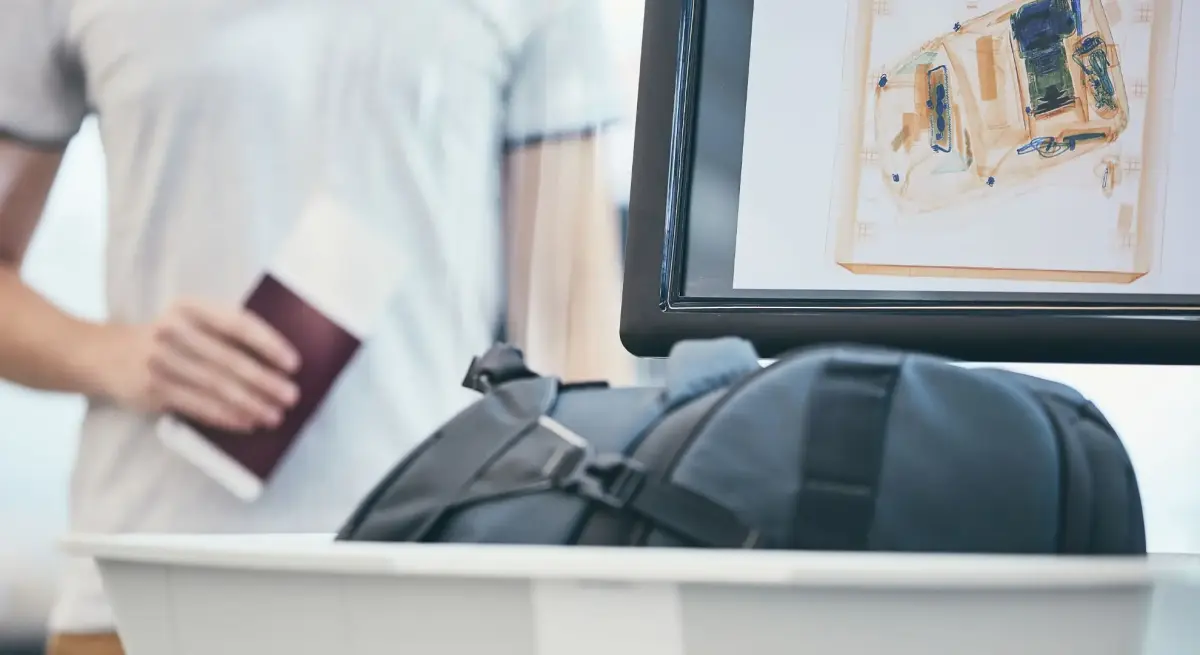
Baggage screening for private jets is thorough yet designed to be less disruptive than in commercial settings. Detection dogs may be employed alongside advanced scanning technologies. These can include Dual-View X-ray, Backscatter X-ray, Trace Detection, and 3D Scanning. Manual checks are also a possibility to ensure the safety and legality of transported items, which is a key part of how private jets do go through customs.
6. Expedited Airport Access Programmes
At select regional airports, expedited airport access programmes can further simplify the travel experience. These programmes often entail reduced checks and offer quicker trips, providing convenient alternatives to major, congested airports. This can be particularly time-saving for business travellers. However, participation typically requires pre-approval and careful coordination.
7. Considerations for Border Regulations
It's crucial to understand the specific import regulations of your destination country, particularly concerning items like food, drinks, and other goods. These rules are country-specific and can vary significantly depending on the item and its origin. Be especially aware of strict regulations regarding agricultural products. It is always advisable to consult with Jetbay or a customs broker to ensure full compliance.
8. Guidelines for Transporting Significant Amounts of Currency
Regulations exist for transporting significant amounts of currency across international borders. Many countries, including those relevant to jet charter services, require the declaration of amounts exceeding a specific threshold (e.g., US$10,000). This is part of global efforts to combat financial crime and terrorism. Declarations must include the amount, type of currency, and its purpose. This applies not only to cash but also to traveller's cheques and other negotiable instruments. Failure to comply can result in penalties, fines, and even legal action.
Navigating International Skies with Confidence
Customs and security procedures are fundamental aspects of international private jet travel. Despite the exclusivity and personalised service, rigorous checks are in place to ensure safety, legality, and adherence to international standards. Knowing how do private jets clear customs, in addition to these protocols, is key to ensuring a smooth and compliant journey.
Book your private flight in Singapore with Jetbay for a seamless and worry-free international journey, where every detail is handled with expertise and care.
Ready to elevate your Private Jet Charter experience? Contact us today for a personalised consultation or get a tailored quote for your next private jet journey. Discover seamless, flexible travel with Jetbay. Click here to get started.