


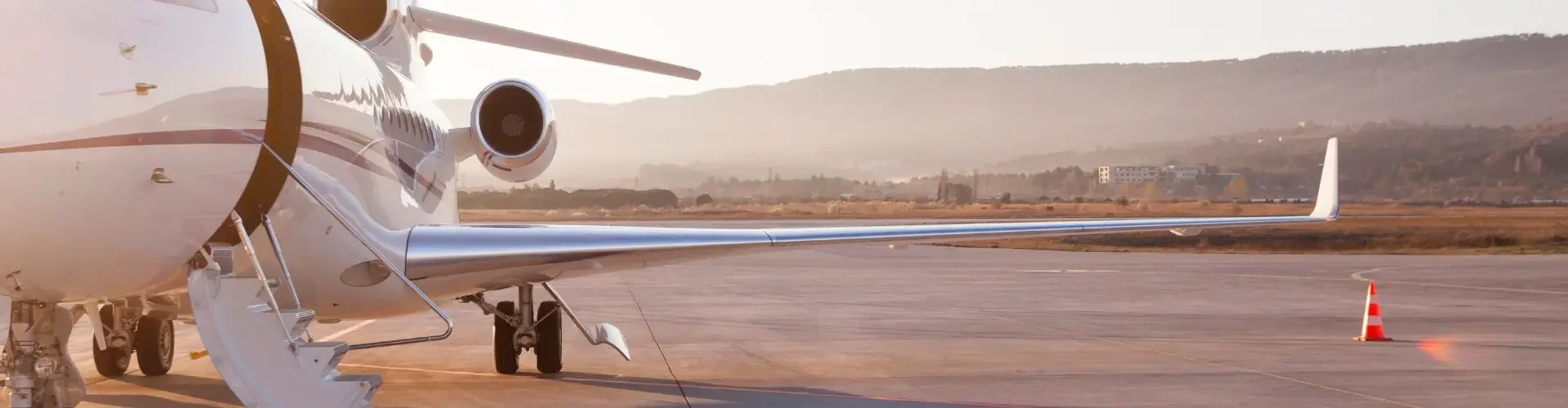
Beyond the Cabin: Comparing Time, Privacy, and Flexibility
When it comes to luxury air travel in the United States, the question often arises: should you fly first class, or charter a private jet? Both promise premium comfort and impeccable service, yet the reality of each experience couldn’t be more different. One offers refinement within structure; the other delivers freedom without limits.
Whether you’re an executive crossing states for meetings or a family escaping for a weekend retreat, understanding these differences can redefine the way you travel.
For a full overview of how private aviation works in the United States, explore our comprehensive guide: The Ultimate Guide to Private Jet Charter Services in the US.
1. Flexibility: Private Jet Wins Every Time
Flying first class means fitting your plans around an airline’s schedule. Flying private means the schedule fits around you.

With a private jet charter, you choose exactly when and where to fly. Depart from smaller airports closer to home, avoid crowded hubs, and even make multiple stops in a single day.
Same-Day Round Trip Example
You can take a same-day round trip with a private jet charter. For example, you can fly from Teterboro to Aspen. You can also fly from Van Nuys to Miami.
While commercial airlines can manage same-day roundtrips on these select routes, the difference lies in convenience and control, not possibility. After all, time is the one luxury even first class cannot offer.
2. Privacy and Exclusivity: No Contest Here
Even the quietest first-class cabin still means sharing space with strangers. In a private jet, the cabin belongs entirely to you and your guests.

There are no interruptions, no background chatter, no need to keep conversations discreet. It’s a private environment where business meetings can continue uninterrupted or family moments can unfold naturally.
For many Jetbay clients across the US, this exclusivity is invaluable — whether it’s a celebrity avoiding public attention, a CEO hosting an in-flight board meeting, or a family traveling with pets.
3. Cabin Comfort: Personalized vs. Premium
First class offers exceptional service, fine dining, and seats that recline into beds. But private jets take comfort further — every element is tailored to you.
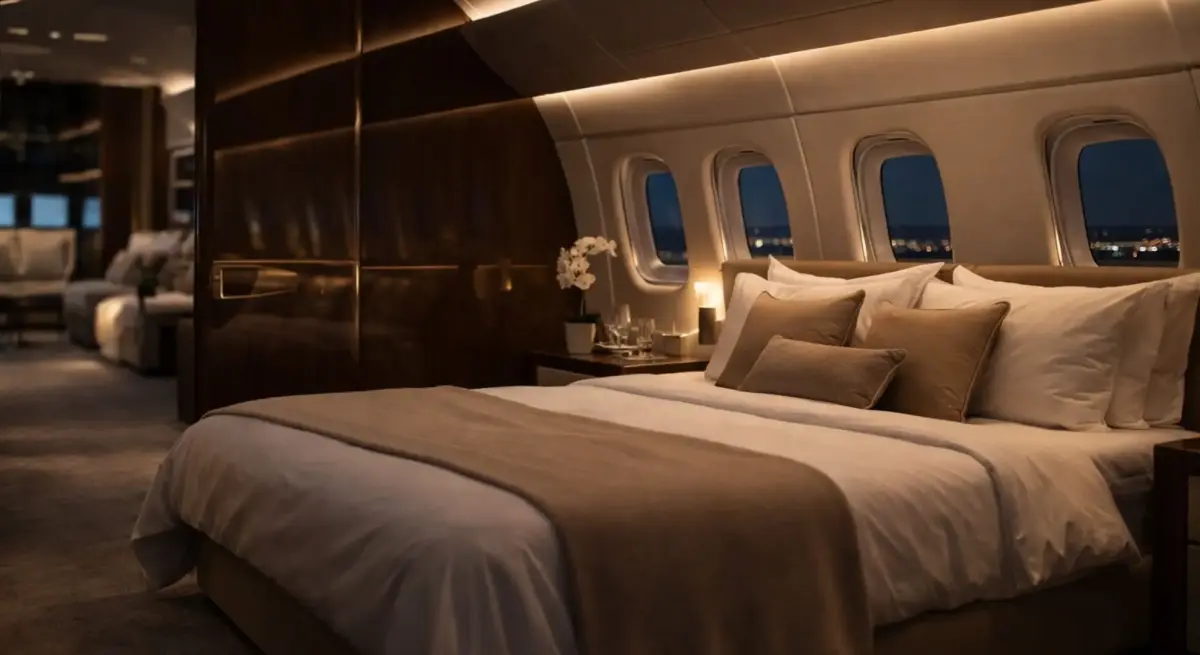
Imagine reclining leather chairs that swivel and convert into lounges, fine dining curated to your taste, and personal attendants who already know your preferences. Some cabins even feature private bedrooms, bespoke interiors, and onboard connectivity that rivals an office suite.
It’s not just comfort; it’s customization.
For a closer look, explore What to Expect Inside a Private Jet Cabin in the US.
4. Airport Experience: Effortless from Start to Finish
The contrast begins long before takeoff. Commercial first-class passengers must still navigate TSA checks, crowded lounges, and boarding queues. Private jet travelers, on the other hand, enjoy direct access through exclusive FBO terminals (Fixed-Base Operators).

You arrive just 15 to 20 minutes before departure. Your car pulls up beside the aircraft. Your luggage is loaded for you. And within moments, you’re airborne.
No security lines*. No waiting gates. Just a seamless transition from ground to sky.
Note: While Standard TSA checkpoints do not apply to on-demand Part 135 domestic charters, ID checks, watchlist vetting, baggage screening, and special programs (e.g., DCA access) can apply. International legs will require customs and immigration.
5. Cost Comparison: Value Beyond the Price Tag
At first glance, first class may seem more economical. A one-way first-class ticket within the US often ranges from $1,000 to $3,500 per seat, while chartering a light or midsize private jet can cost anywhere from $5,000 to $18,000 per hour for a round trip.
Yet, when you’re traveling with four to eight passengers, the per-person cost of a private charter becomes surprisingly comparable, especially when you factor in saved time, direct routing, and the ability to land closer to your destination.

In essence, a private jet isn’t just transportation. It’s time regained, stress removed, and flexibility achieved, all of which hold far greater value than a seat upgrade.
Learn more in How Much Does It Cost to Charter a Private Jet in the US.
6. Safety and Service Standards
Private aviation in the US is regulated by the Federal Aviation Administration (FAA) under Part 135, ensuring that aircraft and operators meet rigorous safety, maintenance, and training standards.
Part 135 sets rigorous standards for charter operations. Many operators also adopt third-party audits and standards (e.g., ARGUS, Wyvern, IS-BAO), which enhance safety.
Jetbay partners only with verified, safety-rated operators who undergo regular audits. Each flight is supported by experienced pilots and ground teams dedicated to operational excellence, a level of assurance comparable to, and often exceeding, commercial carriers.

Nationwide FAA-Certified Network, vetted aircraft, and transparent charter pricing.
7. When to Choose Each Option
So when does it make sense to charter private, and when should you stick to first class?

If you value privacy, flexibility, or confidentiality, need to reach multiple destinations in a single day, or want to travel with pets and family in total comfort, private jet charter is unmatched.
However, if you’re flying solo on a frequent commercial route and prefer a more budget-friendly premium experience, first class still offers a refined alternative.
Ultimately, it depends on what you value most: convenience, control, or cost.
Final Verdict: Private Jet Wins for Experience and Freedom
While first class offers premium service, private jet travel delivers true freedom. You dictate the schedule, the setting, and the service. It’s not merely a step above first class. It’s an entirely different category of travel.
For US travelers seeking the ultimate combination of privacy, flexibility, and personalisation, the verdict is clear: private jet charter wins.