
 Share

About Private Jet Travel in Lofoten
Lofoten: Arctic Islands, Fjords and Private Coastal Retreats
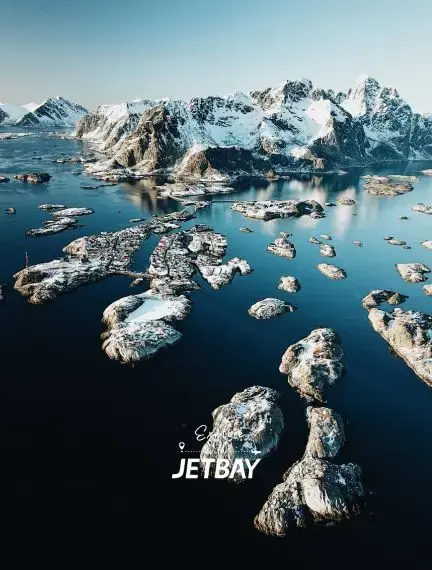
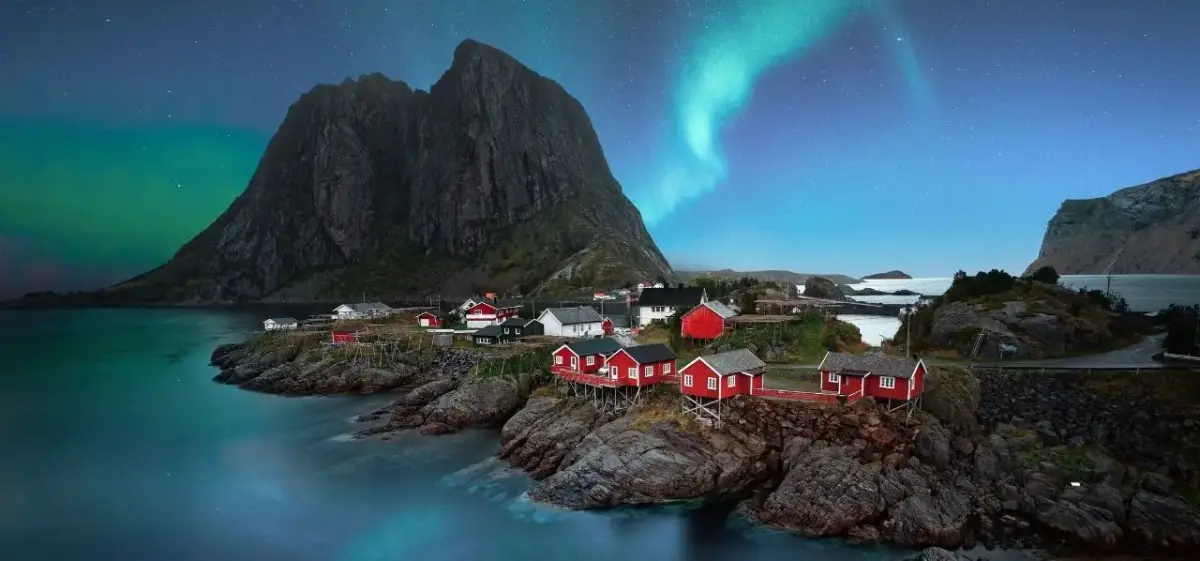
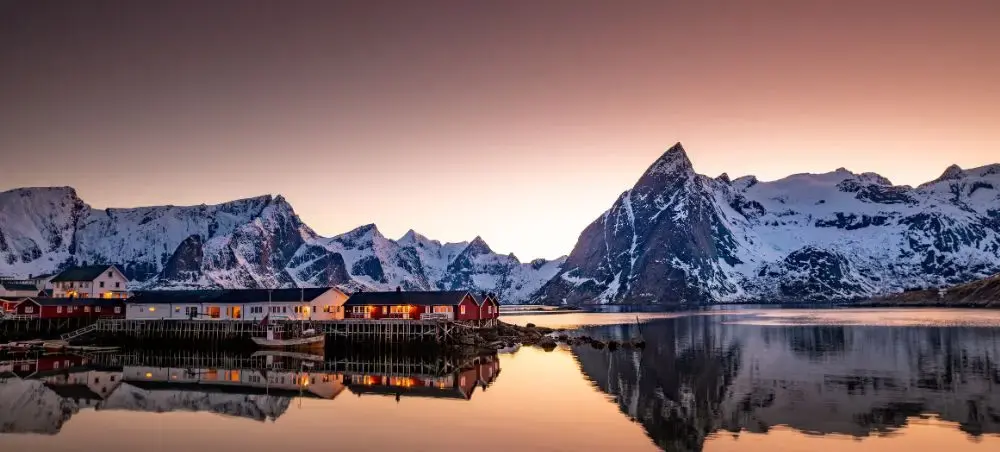
Lofoten is one of Norway’s most striking island regions, set above the Arctic Circle in Northern Norway. The archipelago is known for jagged mountains, sheltered fishing villages, red rorbu cabins, white-sand beaches, fjords, clear winter skies and long summer light.
For private jet travellers, Lofoten works well for photography-led journeys, private lodge stays, yacht or expedition itineraries, family holidays, winter Northern Lights travel and slower coastal retreats. It is less polished than Oslo or Bergen, but that is part of its appeal: the experience is built around landscape, privacy, weather, light and access to nature.
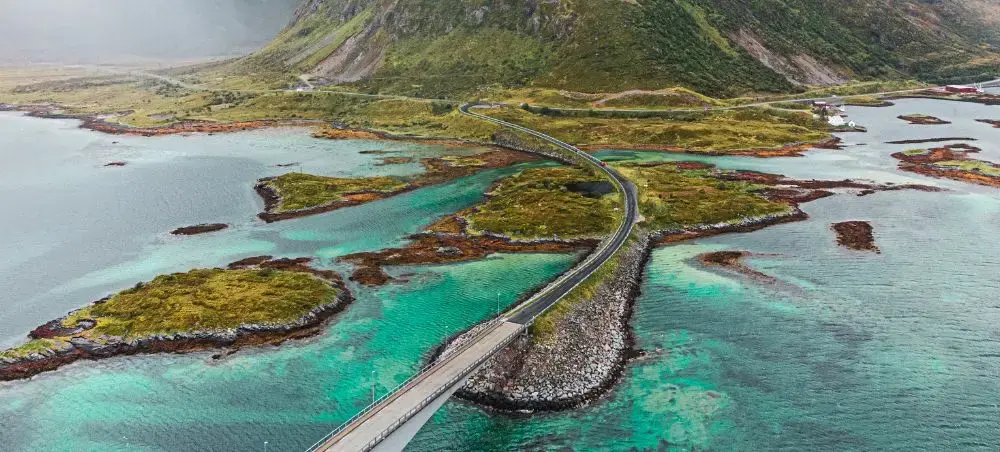
The region should be planned carefully. Lofoten is spread across islands connected by roads, bridges and ferries, so the best airport and transfer plan depends on the final base, luggage, season, aircraft type and preferred pace of travel.
Private Jet Access via Lofoten and Evenes Airports
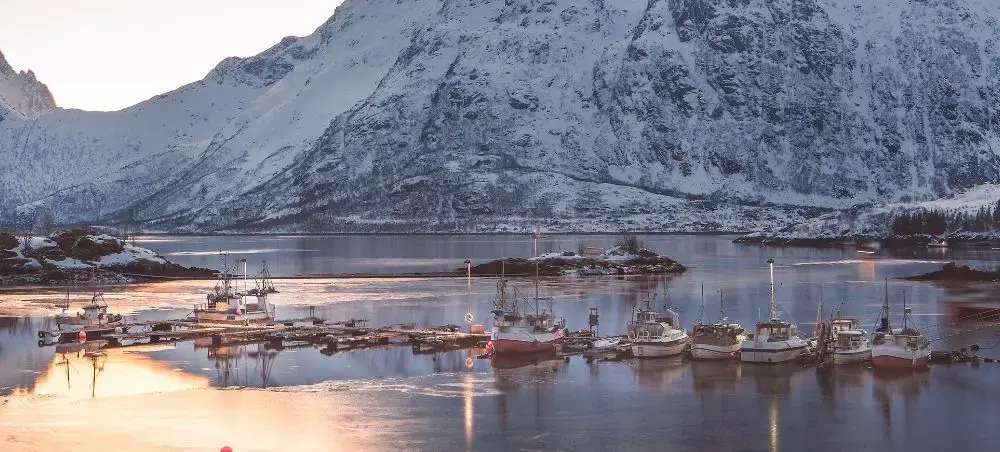
Private jet access to Lofoten depends heavily on aircraft size and final destination. Travellers can reach the region through local airports in Svolvær, Leknes and Røst, as well as Bodø Airport and Lofoten/Harstad/Narvik Airport at Evenes. From Evenes, the onward drive to Lofoten is typically around 2.5 to 4 hours, depending on the destination.
For private jet charter, Evenes is often the more practical airport for larger aircraft and longer-range missions, while Leknes or Svolvær may be considered for smaller aircraft or regional movements, subject to runway, aircraft performance, permissions, weather and handling.
Reine, Hamnøy and the Classic Lofoten Landscape
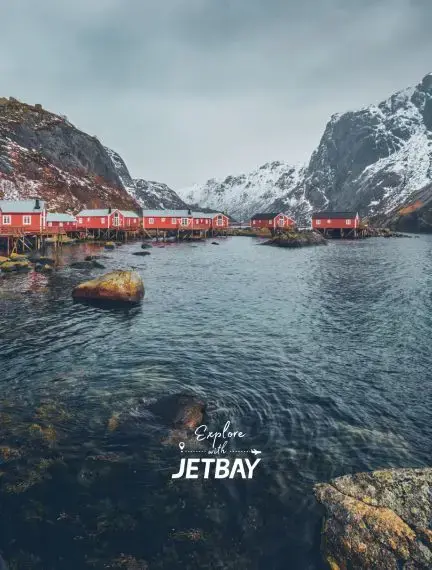
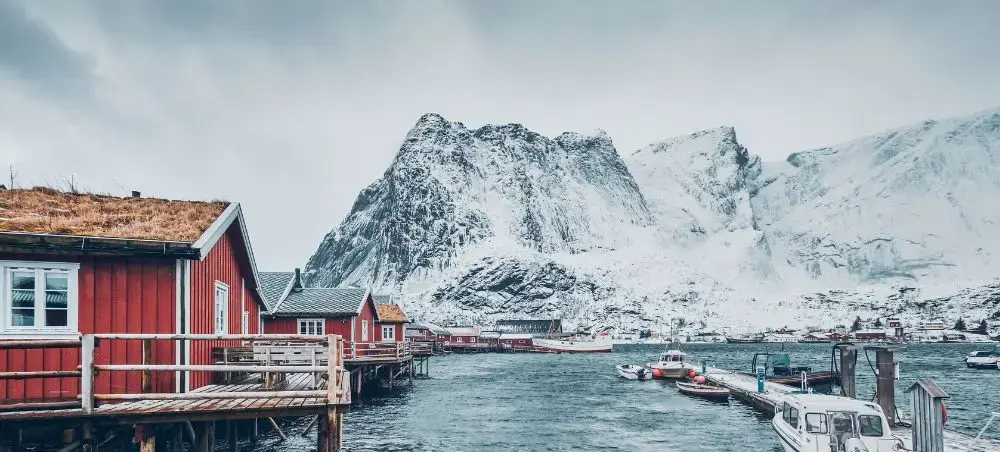
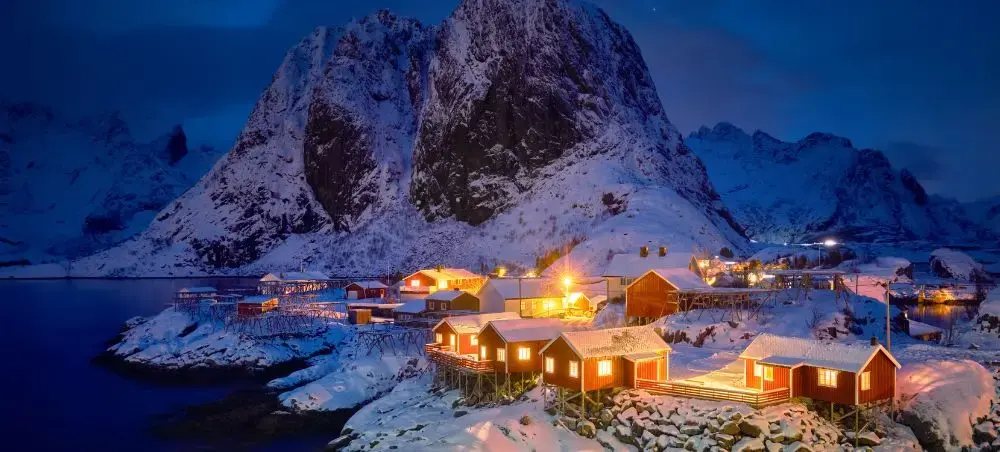
Reine and Hamnøy are among the most recognisable places in Lofoten, with red fishermen’s cabins, steep mountains and water views creating the region’s classic image.
For private itineraries, this part of Lofoten is best experienced at a slower pace. Rather than rushing between viewpoints, travellers can plan a stay around photography, private guiding, scenic drives, boat trips, seafood dining and quiet evenings near the water.
The area is especially strong for travellers who value atmosphere over a packed schedule. Weather, light and road conditions can change the experience quickly, so a flexible itinerary often works better than one built around fixed stops.
Northern Lights, Midnight Sun and Seasonal Light
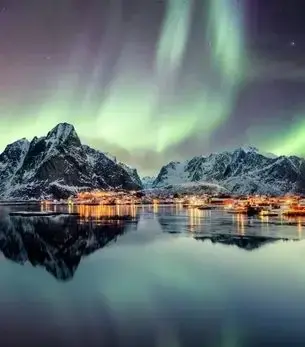
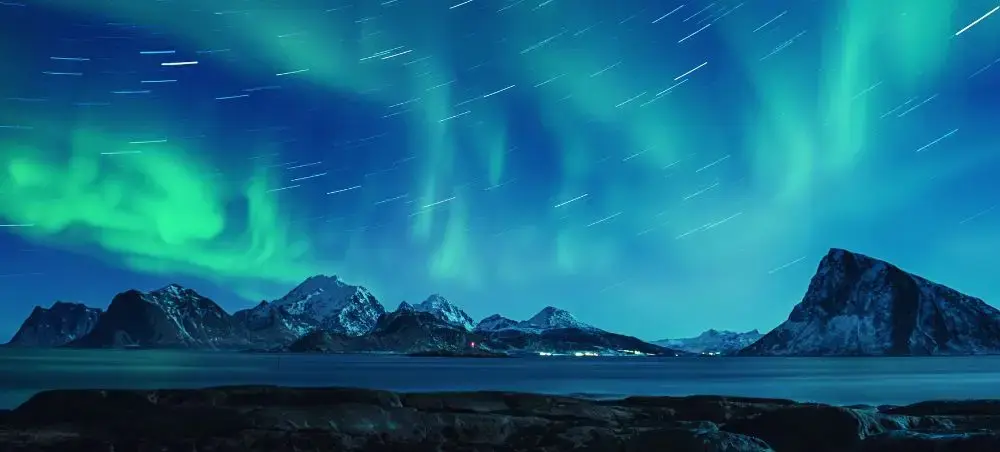
Lofoten is shaped by light. The islands sit just above the Arctic Circle, and travellers can experience the midnight sun in summer, while the Northern Lights can be seen from September to April.
Winter brings aurora travel, snow-covered mountains, moody skies and a quieter atmosphere. Winter is an ideal time for Northern Lights viewing in Lofoten, with the aurora is visible from September to March.
Summer is entirely different. The midnight sun creates long, glowing days that suit boating, hiking, photography, beach walks and late-evening dining. Locations such as Uttakleiv, Unstad, Eggum and Laukvika as places are often associated with the midnight sun experience.
Private Lodges, Rorbu Stays and Coastal Dining
Lofoten’s accommodation is closely tied to its setting. Traditional rorbu cabins, private lodges, boutique hotels and coastal houses place travellers close to the water, mountains and fishing villages. The strongest stays are usually built around the base rather than constant movement.
Reine, Henningsvær, Nusfjord, Svolvær, Ballstad and the western islands each offer a different rhythm. Some bases are better for photography and dramatic landscapes, while others are more practical for dining, boating, road access or family travel.
Dining in Lofoten is shaped by the sea, with cod, stockfish, shellfish and local produce forming much of the regional identity. For a more refined itinerary, restaurant reservations, private dining and chef-led meals should be arranged early, especially in peak summer, winter aurora periods and holiday travel windows.
Beaches, Surfing and Outdoor Experiences
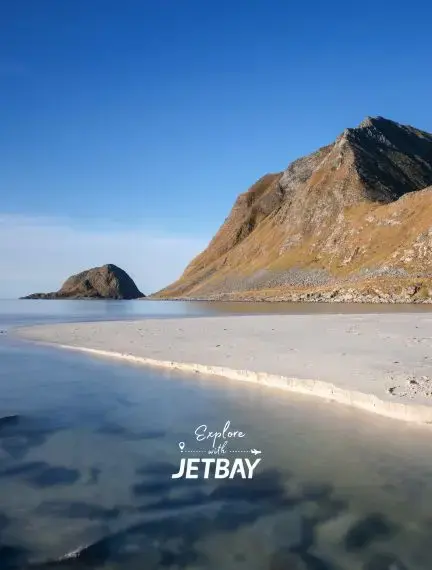
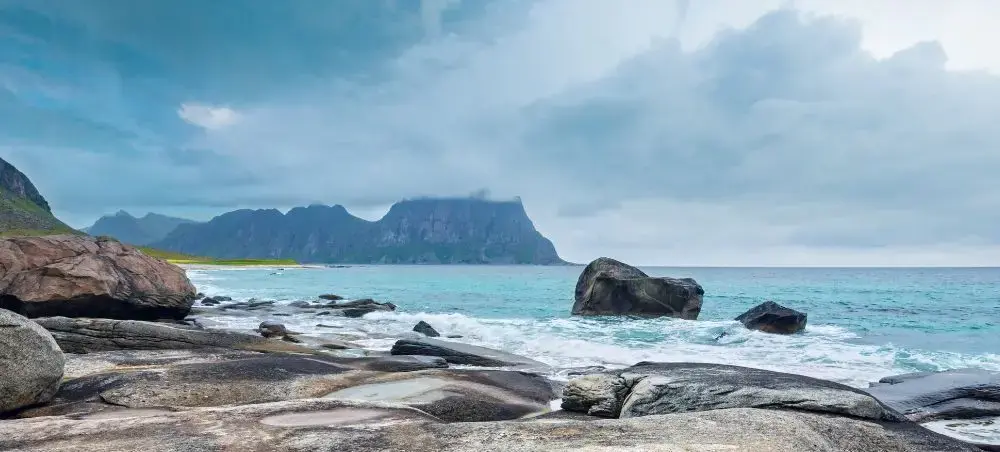
Lofoten is known for beaches that feel unexpected in the Arctic. White sand, turquoise water, mountains and open skies create a dramatic contrast, especially at places such as Haukland, Uttakleiv, Ramberg and Unstad.
Unstad is particularly known for Arctic surfing, and Visit Norway notes surfing opportunities at Unstad Arctic Surf and Lofoten Beach Camp in Flakstad.
For private travellers, outdoor experiences can be shaped around comfort and conditions. A day might include a private guide, scenic beach route, photography stops, coastal lunch, sauna, boat transfer or softer walk rather than a demanding hike. More active guests can plan climbing, kayaking, skiing, fishing, horseback riding or multi-day adventure itineraries.
Scenic Routes, Fishing Villages and Slow Travel
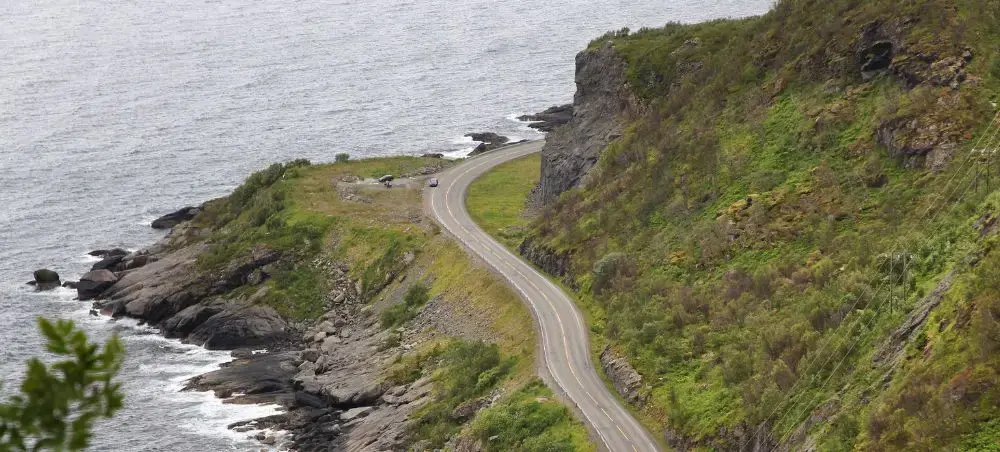
The National Scenic Route Lofoten is one of Norway’s most striking drives, with the Norwegian Scenic Routes authority describing the region through its combination of ocean, jagged peaks, tiny fishing villages and white beaches with clear water.
This makes Lofoten ideal for slow travel. A private itinerary can be built around a chauffeured scenic route, village stops, galleries, harbour dining, coastal viewpoints and photography rather than long daily transfers.
Fishing villages such as Henningsvær, Nusfjord and Å offer a different perspective on the islands. They connect travellers with the fishing culture, architecture and maritime heritage that still shape Lofoten’s identity.
Lofoten as a Gateway to Arctic Norway
Lofoten can be a standalone destination or part of a wider Arctic Norway itinerary. Travellers may combine it with Tromsø, Senja, Vesterålen, Bodø, Svalbard connections, Bergen, Oslo or private expedition routes along the Norwegian coast.
This gateway role makes charter planning important. A simple arrival into Evenes followed by a road transfer is very different from an itinerary involving smaller airports, private lodges, yacht connections, ski equipment or multi-stop Nordic routing.
Weather, daylight, baggage, airport suitability and operator availability should all be considered early. In winter, de-icing risk, runway conditions and alternate planning may affect the charter. In summer, demand for premium accommodation, guides and transfers can rise quickly.
Why Private Jet Travellers Choose Lofoten
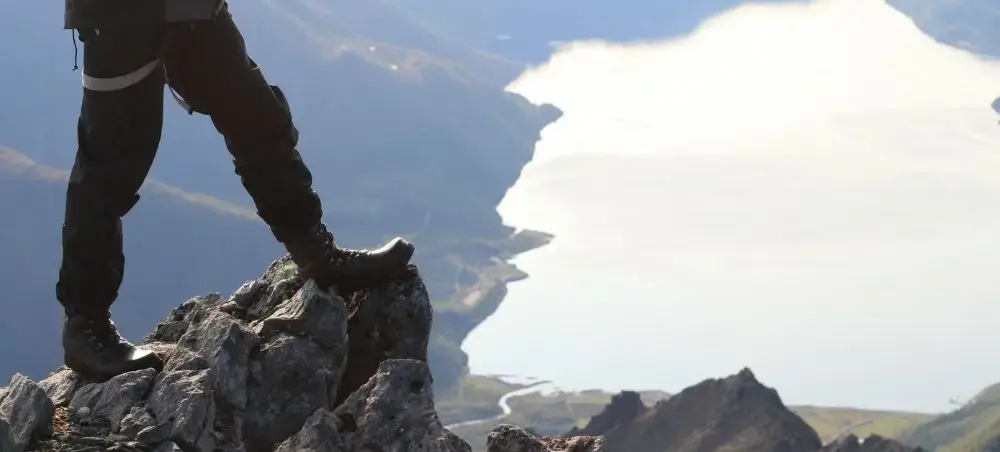
Private jet travellers choose Lofoten for scenery, privacy and a sense of remote beauty that still remains accessible with careful planning. It is a destination for those who want Arctic landscapes, fishing villages, coastal lodges, Northern Lights, midnight sun and a slower version of Norway.
The strongest Lofoten itineraries are curated rather than crowded: a private lodge, scenic drives, aurora evenings, boat excursions, guided photography, seafood dining, beach walks and time to adapt to the weather.
The main advantage of flying privately is control. Travellers can choose the most suitable airport, coordinate aircraft and ground transfers around the final property, and plan around luggage, family needs, photography gear or seasonal conditions rather than fixed commercial schedules.
Charter a Private Jet to Lofoten with Jetbay
Jetbay helps travellers arrange private jet charter to Lofoten with clear airport guidance, suitable aircraft options and transparent charter pricing.
Whether the journey is for a winter aurora retreat, summer midnight sun itinerary, family holiday, private lodge stay or wider Arctic Norway route, Jetbay can help compare aircraft and airport options around your schedule.
A private jet charter to Lofoten should be planned around the complete journey, not only the airport pair. Aircraft suitability, runway performance, luggage, weather, ground transfers, de-icing risk, seasonal demand and onward island logistics all matter. Jetbay supports the booking process with practical guidance so travellers can choose confidently.