

 Share


About Private Jet Travel in Oslo
Oslo: Nordic Design, Fjord Living and Cultural Capital
Oslo is Norway’s capital and one of Scandinavia’s most distinctive city destinations. Set between the Oslofjord and forested hills, the city combines waterfront architecture, museums, fine dining, galleries, private shopping, island excursions and access to wider Norwegian landscapes.
For private jet travellers, Oslo works well for business travel, summer fjord itineraries, art-led weekends, winter extensions, family holidays and wider Nordic journeys. The city has a quieter rhythm than many larger European capitals, but its appeal lies in that balance: strong infrastructure, refined hospitality, natural scenery and a compact city centre that is easy to shape around a short stay.
Oslo is also a useful gateway for onward travel across Norway. Travellers can combine the capital with the fjords, Bergen, Trondheim, Tromsø, Lofoten, private lodges, ski destinations or coastal retreats, depending on the season and aircraft plan.

Private Jet Access via Oslo Airport (OSL)
Private jet access to Oslo is primarily handled through Oslo Airport, Gardermoen (OSL), Norway’s main international airport and a major Scandinavian aviation hub. CAPA describes Oslo Airport as Norway’s largest airport and a major hub of aviation activity in Scandinavia.
Oslo Airport has two runways and is suitable for a wide range of private jet missions, including long-range international arrivals. Avinor also states that private and small aircraft are welcomed across Avinor airports, with parking available for general aviation flights.
For private jet charter, the key planning factors include aircraft category, handling arrangements, customs, parking, airport fees, operating conditions, passenger requirements and onward ground transfer into the city or countryside. Oslo Airport is located outside the city centre, so chauffeur transfer timing should be planned around the final destination, traffic and arrival schedule.

Fjordfront Architecture and the Oslo Waterfront
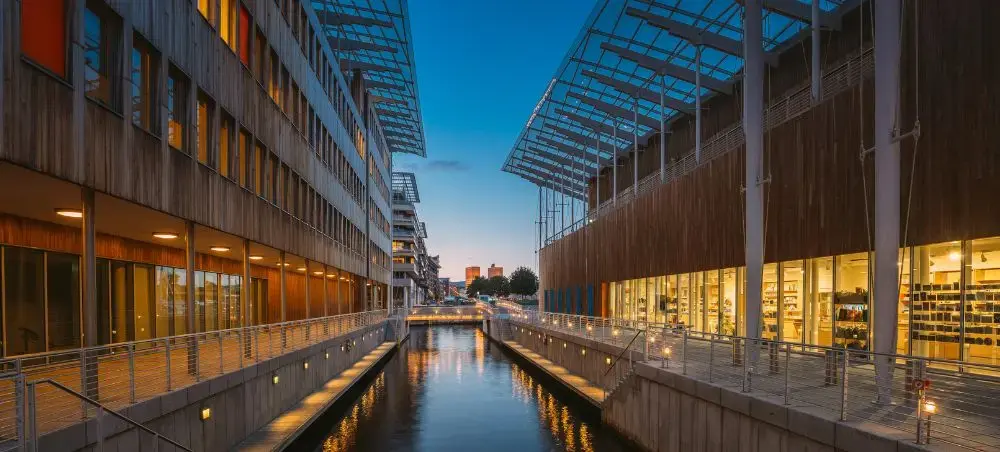
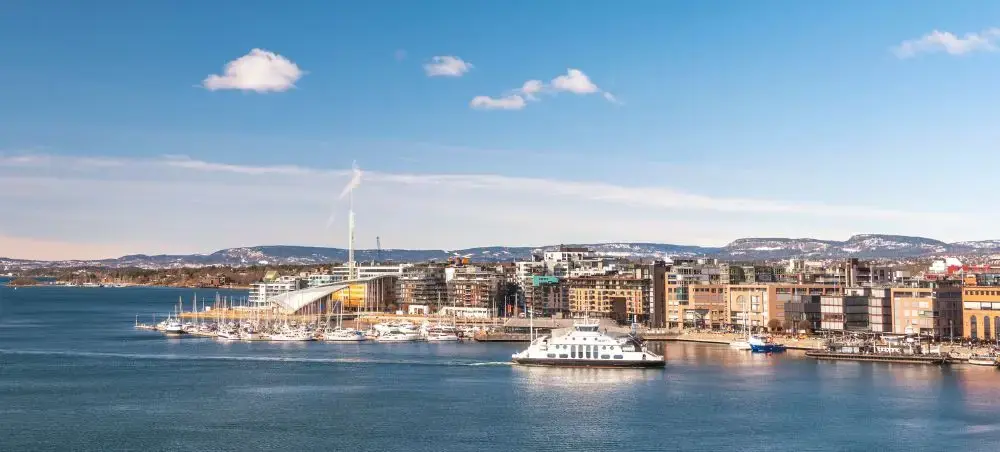
Oslo’s waterfront has become one of the city’s defining experiences. The areas around Bjørvika, Aker Brygge and Tjuvholmen combine modern architecture, restaurants, hotels, galleries, harbour promenades and views across the Oslofjord.
The Norwegian National Opera & Ballet is one of the city’s most recognisable architectural landmarks, and Visit Norway highlights the Opera House as one of Oslo’s key attractions. Its walkable roof and waterfront setting make it a natural first stop for visitors who want to understand modern Oslo.
Nearby, MUNCH has helped strengthen Oslo’s position as an art destination. Visit Norway notes that the opening of MUNCH and the National Museum has made Oslo especially appealing for art lovers, while MUNCH highlights its fjord and city views alongside its Edvard Munch collection.
For a private itinerary, the waterfront can be shaped around a museum visit, private guide, harbour lunch, gallery stop and evening dining reservation without long transfers.
Art, Museums and Private Cultural Itineraries
Oslo has a strong cultural identity that feels polished but not overwhelming. The city is home to MUNCH, the National Museum, the Astrup Fearnley Museum, the Norwegian Folk Museum, the Fram Museum and several smaller galleries and cultural venues.
VisitOSLO lists the Norwegian National Opera & Ballet, MUNCH and the Norwegian Museum of Cultural History among Oslo’s top attractions. For travellers with limited time, this makes it possible to create a focused cultural itinerary rather than a rushed city checklist.
A well-planned day might begin with a private museum visit, continue with lunch along the waterfront and end with an evening performance or private dining experience. For families, Bygdøy’s museums offer a softer cultural route, while art-focused travellers may prefer MUNCH, the National Museum and Tjuvholmen.

Fine Dining, Nordic Cuisine and City Living
Oslo’s dining scene reflects modern Nordic cooking, seafood, seasonal produce and a growing interest in local sourcing. The city offers high-end restaurants, waterfront dining, hotel bars, bakeries, food halls and private dining rooms suited to business or leisure stays.
For a short private jet itinerary, the city’s compact layout makes dining easy to integrate. Travellers can base themselves near the waterfront, the city centre, Frogner or Aker Brygge and move between museums, shopping, restaurants and harbour walks without building the day around long road journeys.
Oslo also has a quieter luxury profile than some European capitals. The experience is less about spectacle and more about design, space, privacy, nature access and understated service. This makes it attractive for travellers who want a capital city with a more composed atmosphere.

Oslofjord Islands, Boating and Summer Travel
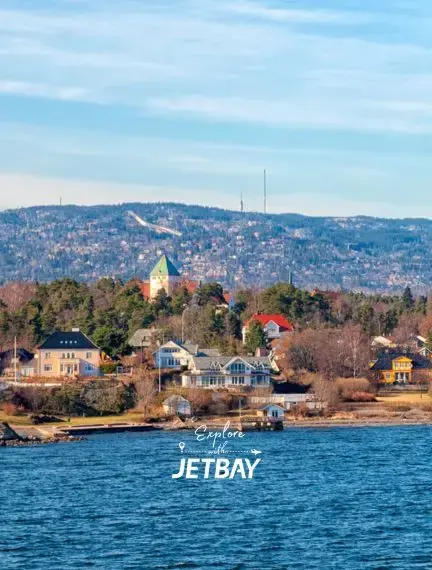
In summer, the Oslofjord becomes a major part of the city experience. Visitors can take boats to the islands, arrange private harbour cruises, dine by the water or build a slower day around swimming spots, coastal walks and fjord views. Visit Norway notes that Oslo ferries connect the city centre with islands in the Oslofjord.
For private jet travellers, this gives Oslo a dual character: a capital city with cultural depth and an easy waterfront escape. A summer itinerary might combine a morning museum visit, a private boat excursion, lunch by the harbour and dinner in the city.
Weather and seasonality matter. Long daylight hours make summer ideal for outdoor dining and boating, while winter shifts the focus toward museums, restaurants, performances, saunas, design hotels and possible onward ski or northern Norway extensions.
Oslo as a Gateway to Norway
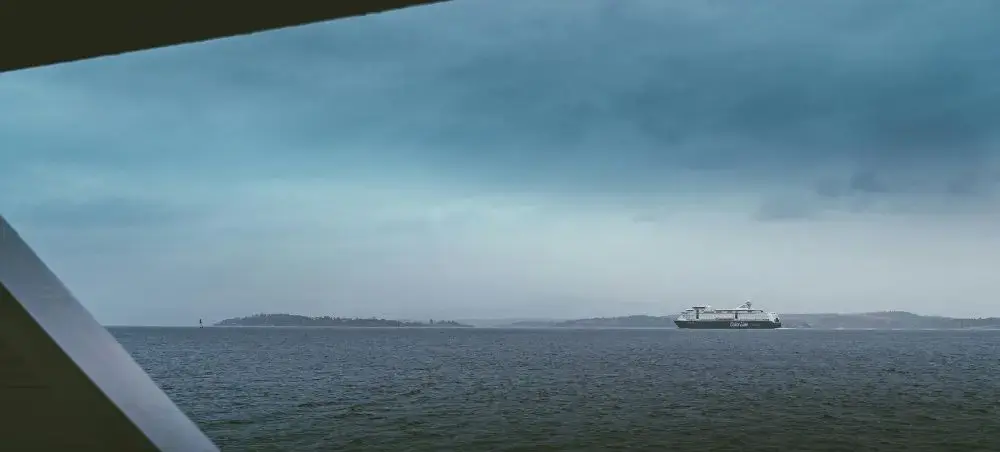
Oslo is often the starting point for a wider Norway itinerary. Travellers can continue to Bergen and the western fjords, Tromsø and the Arctic north, Trondheim, Stavanger, Lofoten, private lodges, ski resorts or remote coastal destinations.
This gateway role makes charter planning especially important. A simple city visit requires a different aircraft and ground plan from a multi-stop Nordic itinerary. Passenger count, baggage, ski equipment, operating hours, weather, runway suitability, aircraft positioning and crew duty time can all influence the final charter proposal.
Transparent pricing is important because Norway itineraries can vary widely. A route that looks simple may involve positioning, overnight costs, weather planning, de-icing risk or additional handling requirements, especially during winter or when continuing to smaller regional airports.
Why Private Jet Travellers Choose Oslo
Private jet travellers choose Oslo for design, privacy, nature access and Nordic cultural depth. It is a capital city that can support business travel, art weekends, family stays, fjord excursions and onward travel across Norway without feeling overly crowded or ceremonial.
The strongest Oslo itineraries combine city and nature: a waterfront hotel, museum visits, private dining, fjord boating, forest walks, saunas, galleries and onward access to Norway’s landscapes. The city works equally well as a standalone short break or as the first stop in a longer Scandinavian journey.
The main advantage of flying privately is control. Travellers can select aircraft around the full route, coordinate arrival timing with hotel or boat plans, and connect Oslo with other Nordic destinations more efficiently than relying only on commercial schedules.

Charter a Private Jet to Oslo with Jetbay
Jetbay helps travellers arrange private jet charter to Oslo with clear airport guidance, suitable aircraft options and transparent charter pricing. Whether the journey is for business, a cultural weekend, a summer fjord itinerary or a wider Norway trip, Jetbay can help compare aircraft and routing options around your schedule.
A private jet charter to Oslo should be planned around the complete journey, not only the airport pair. Aircraft suitability, handling, luggage, seasonal weather, onward transfers, de-icing considerations and regional connections all matter. Jetbay supports the booking process with practical guidance so travellers can choose confidently.