
 Share


About Private Jet Travel in Lake Baikal
Lake Baikal: Siberian Wilderness, Ancient Waters and Frozen Landscapes
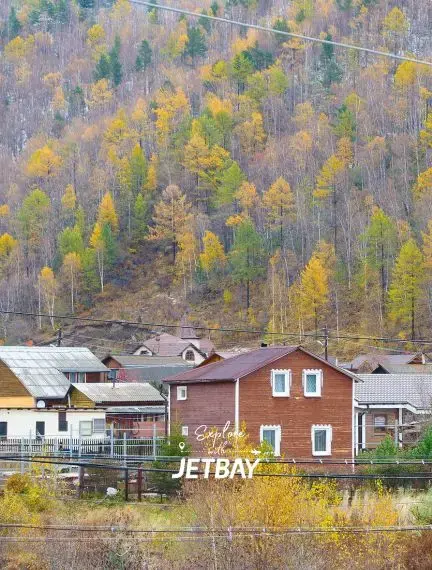
Lake Baikal is one of the world's most extraordinary natural destinations, located in southern Siberia, Russia. Surrounded by mountains, forests and remote villages, the lake is celebrated for its remarkable depth, clear water, winter ice formations and distinctive wildlife.
Recognised as a UNESCO World Heritage Site since 1996, Lake Baikal is approximately 25 million years old and is considered the world's oldest and deepest freshwater lake. It contains roughly 20% of the planet's unfrozen freshwater reserves.
For private jet travellers, Lake Baikal offers a different experience from Russia's major cities. Rather than grand hotels and metropolitan attractions, the region appeals through natural scenery, secluded accommodation, guided wilderness experiences and a sense of remoteness.
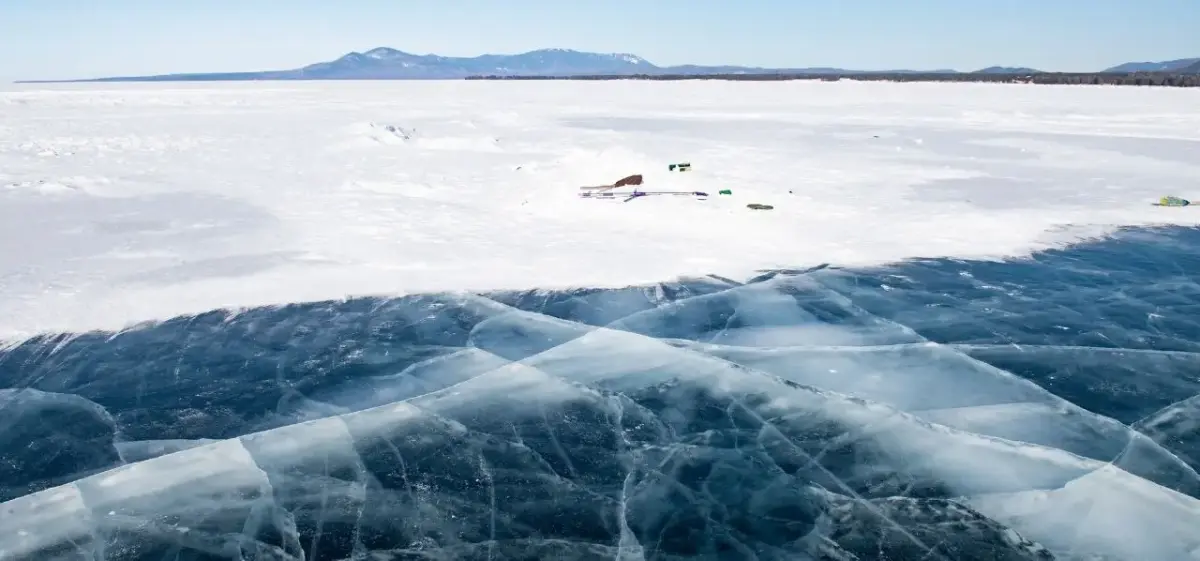
Winter is especially distinctive, when sections of the lake freeze into vast expanses of translucent blue ice. Summer offers an entirely different atmosphere, with boat excursions, forest trails, island visits and quiet lakeside retreats.
The region's scale and limited infrastructure make careful itinerary planning essential, particularly for travellers seeking comfortable accommodation and privately guided experiences.
Private Jet Access via Irkutsk and Ulan-Ude Airports
Private jet access to Lake Baikal is generally planned through Irkutsk International Airport (IKT/UIII), which provides a practical gateway to the lake's southwestern shore.
Irkutsk is the main starting point for many itineraries involving Listvyanka, Olkhon Island and the western shoreline. The airport serves domestic and international flights, although private charter handling, aircraft parking, fuel availability and applicable permissions must be confirmed individually.
For travellers visiting the eastern side of Lake Baikal, Baikal International Airport (UUD/UIUU) near Ulan-Ude may also be considered. Its suitability depends on the aircraft, route and final destination.
Lake Baikal itself does not have a single airport serving all lakeside areas. The lake extends over a vast region, and ground transfers can take several hours depending on the selected accommodation or excursion.
For private jet charter, important considerations include aircraft performance, landing permissions, airport handling, winter weather, de-icing, immigration requirements, insurance and the availability of onward transport.
Important aviation and travel notice: As of October 2026, international flights to Russia remain subject to sanctions and significant operational constraints. EASA maintains an active conflict-zone advisory for specified Russian airspace west of 60° East; this does not directly cover Lake Baikal, but other sanctions, airspace and operator restrictions may still affect routes to the region.
Any potential charter to Irkutsk or Ulan-Ude requires a separate legal, safety and operational feasibility assessment.

Lake Baikal's Famous Blue Ice and Winter Landscapes
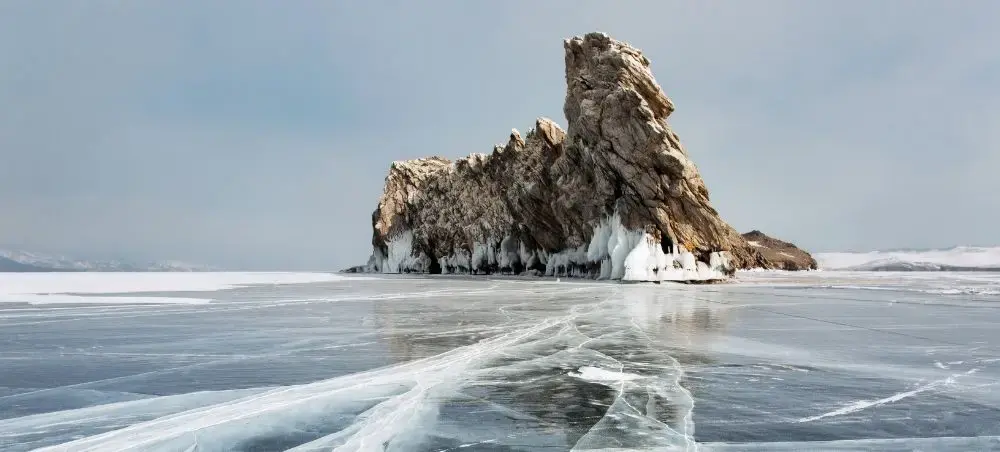
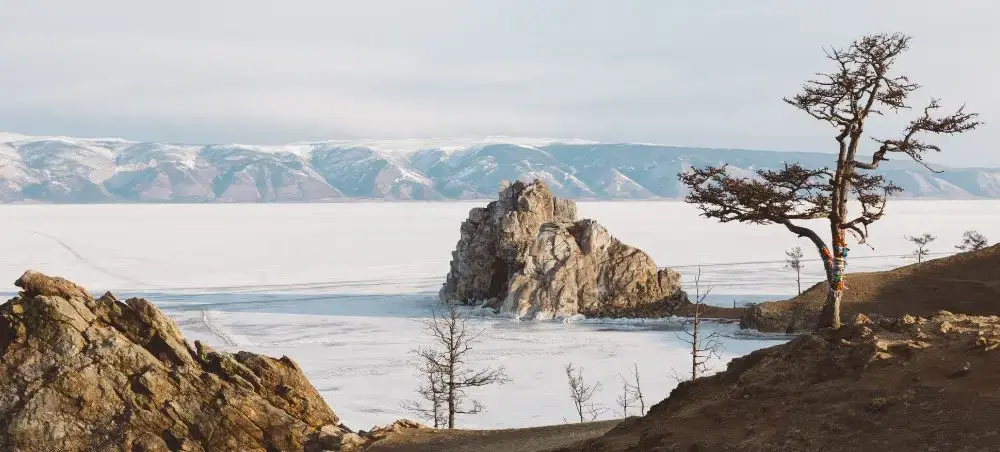
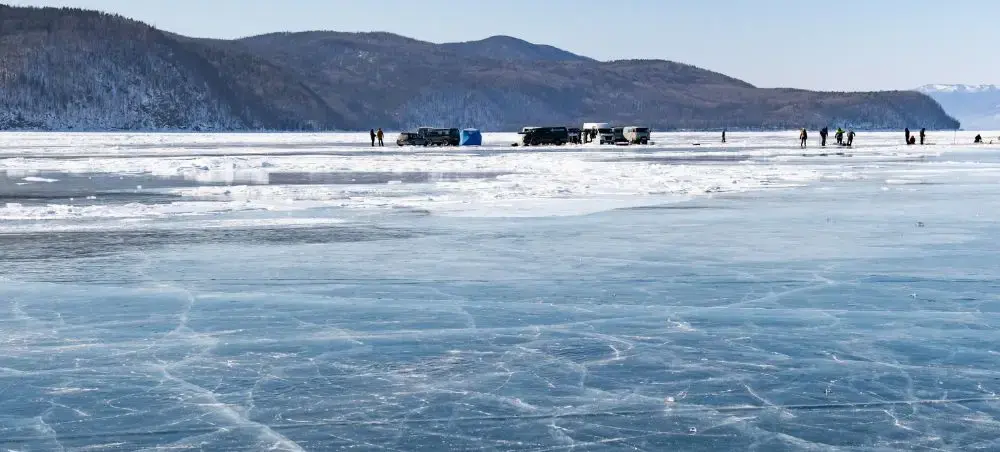
One of Lake Baikal's most recognisable experiences occurs during winter, when its surface freezes into extraordinary formations of blue and transparent ice.
Under suitable conditions, sections of the lake reveal intricate cracks, trapped air bubbles, ice ridges and smooth surfaces that reflect the surrounding mountains.
The clearest ice is often sought between mid-February and March, although conditions vary considerably from year to year. Snow cover, wind, temperature and ice movement can change the appearance and accessibility of individual locations.
For private travellers, winter excursions can be arranged through experienced local guides using permitted routes and appropriate vehicles.
Photography-focused itineraries may include ice formations, frozen grottoes, rocky shorelines and carefully selected viewpoints.
However, the lake's ice is not uniformly safe. Russia's hydrometeorological service reported unstable ice conditions and dynamic cracks during the 2026 winter season, despite substantial ice thickness in some locations. Travel on the ice should only take place where authorities and qualified local operators have confirmed safe access.
Olkhon Island and Remote Lakeside Landscapes
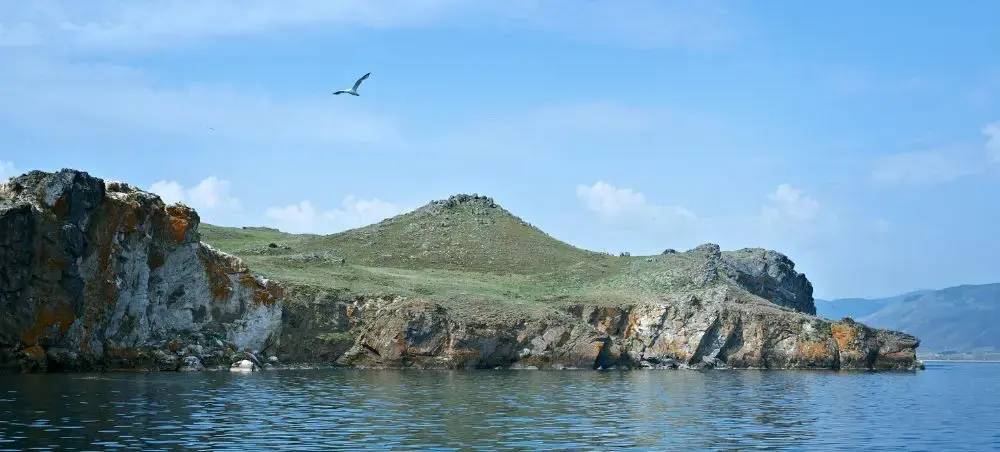
Olkhon Island is Lake Baikal's largest island and one of the region's most distinctive destinations.
Known for rocky cliffs, open grasslands, pine forests and remote shorelines, the island offers a dramatic contrast to the more developed areas near Irkutsk.
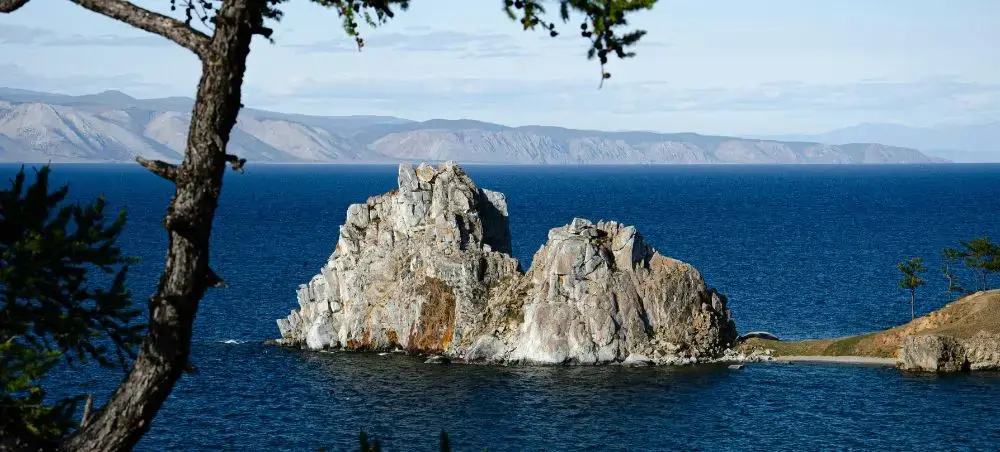
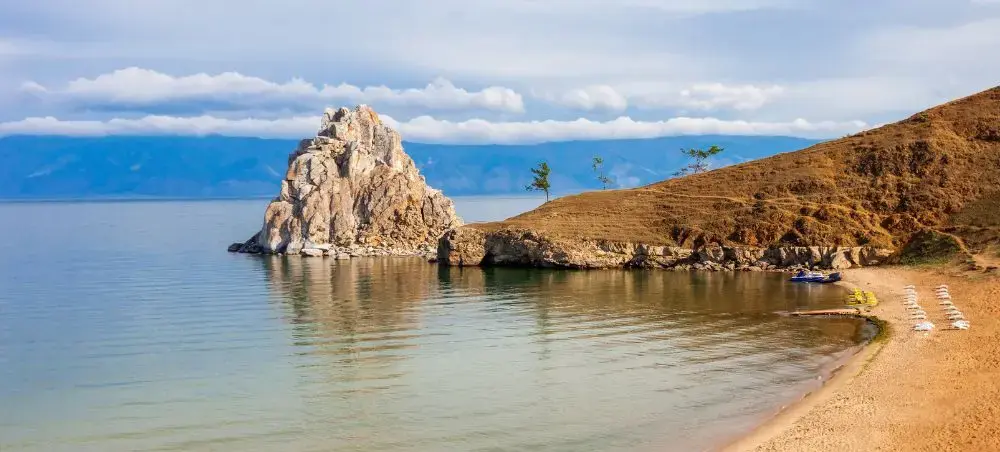
The village of Khuzhir is a common base for exploring Olkhon. Nearby Cape Burkhan and Shamanka Rock are especially recognisable landmarks, closely associated with local spiritual traditions and Buryat cultural heritage.
For private travellers, Olkhon is best planned as a dedicated multi-day excursion rather than a brief day trip.
A privately guided itinerary may include coastal viewpoints, photography, local cultural experiences and visits to quieter parts of the island.
Access requires careful coordination of road travel and island crossings.
Note: Seasonal ferry operations, officially permitted winter ice routes and weather conditions can affect the journey, making flexible scheduling essential.
Private Lake Excursions and Summer Wilderness Experiences
Summer transforms Lake Baikal from a frozen landscape into a vast freshwater destination surrounded by forests, mountains and secluded bays.
For travellers seeking nature-focused experiences, the warmer months offer opportunities for scenic boat excursions, shoreline walks, photography and guided exploration of protected landscapes.
The lake's immense size means that many destinations are more practical to reach by water than by road. Privately arranged boating excursions may provide access to remote bays and less-visited sections of the shoreline, subject to local rules and operating conditions.
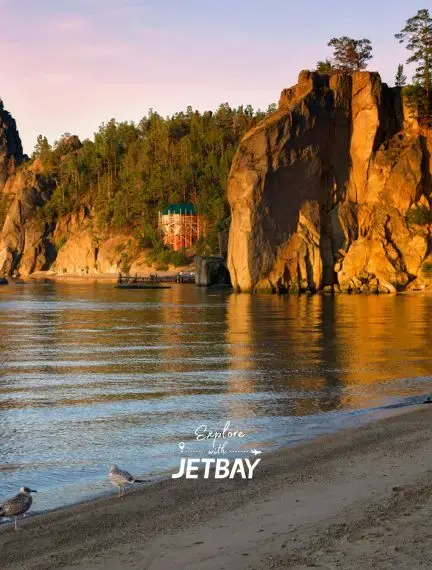
Travellers can also explore scenic areas around the western shore, where rocky cliffs and forested hills meet the lake.
For a more relaxed itinerary, a day can combine a short boat excursion, lakeside lunch and scenic photography rather than covering large distances.
Because Lake Baikal is a protected natural environment, activities should be arranged through responsible local providers and comply with restrictions within national parks and nature reserves.

Siberian Culture, Buryat Traditions and Lakeside Villages
Lake Baikal is not only a natural landmark but also a region with a rich cultural history.
The surrounding territories are home to Russian and Buryat communities, whose traditions, languages, cuisine and relationships with the landscape contribute to the region's identity.
Buryat culture has historical connections to Buddhism, shamanic traditions and the wider cultural heritage of Mongolia and Siberia.
For private travellers, cultural experiences may include guided visits to local communities, traditional meals, craft demonstrations and opportunities to learn about regional customs.
Cuisine around Lake Baikal includes freshwater fish, hearty Siberian dishes and Buryat specialities such as buuz, steamed dumplings traditionally filled with meat.
When visiting religious or culturally significant sites, travellers should follow local guidance and respect community practices.
A cultural itinerary can complement nature-focused excursions, offering greater context to the landscapes and communities around the lake.
Lakeside Retreats, Traditional Saunas and Remote Stays
Lake Baikal offers a quieter approach to accommodation than destinations known for large luxury resorts.
The region's appeal lies in waterfront guesthouses, wooden lodges, countryside retreats and small properties surrounded by natural landscapes.
For private travellers, accommodation choice is particularly important because comfort levels, amenities and accessibility vary significantly between locations.
A lakeside stay may include panoramic water views, private dining arrangements, guided excursions and traditional Russian banya sauna experiences.
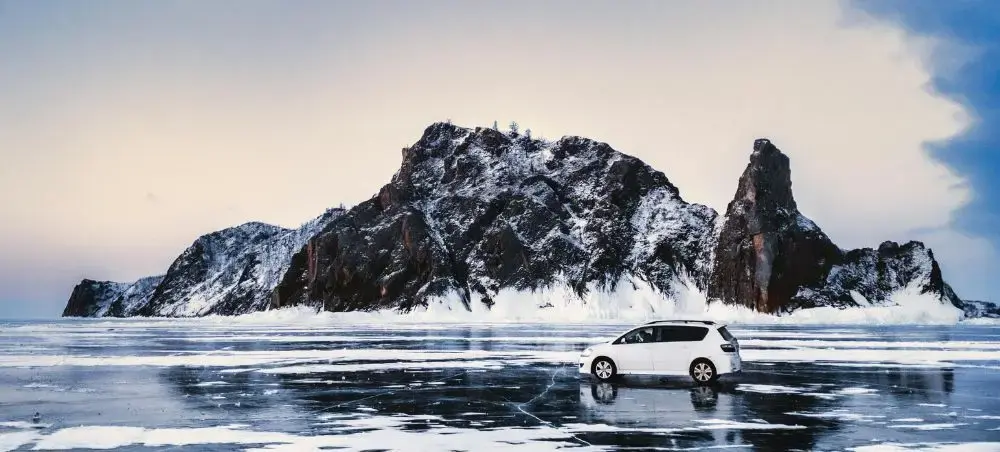
Winter retreats can focus on warm interiors, photography excursions and evenings overlooking the frozen lake.
During summer, accommodation near the shoreline can provide convenient access to boating, walking trails and outdoor dining.
Remote locations should be evaluated carefully for heating, reliable transportation, communication access, food arrangements and emergency services.

Wildlife, Nature Reserves and Environmental Heritage
Lake Baikal's extraordinary biodiversity is one of the reasons for its UNESCO World Heritage designation.
The lake supports numerous species found nowhere else, including the Baikal seal, or nerpa, one of the world's rare freshwater seal species.
UNESCO describes Baikal as an exceptionally important freshwater ecosystem, whose age and geographic isolation have produced a remarkable range of endemic wildlife.
The surrounding region also contains protected forests, mountains and nature reserves, including the Barguzinsky Biosphere Reserve on the northeastern shore.
For travellers interested in conservation, guided nature experiences can provide insight into the lake's ecosystems, geological history and environmental importance.
Wildlife encounters are never guaranteed, and visitors should avoid disturbing animals or entering protected areas without appropriate permissions.
Seasonal Travel and the Best Time to Visit Lake Baikal
Lake Baikal offers two particularly distinctive travel seasons.
Winter, especially February and March, attracts visitors interested in frozen landscapes, blue ice, snow-covered forests and winter photography.
Summer, particularly July and August, is better suited to boating, hiking, island excursions and exploring the shoreline when the lake is unfrozen.
Spring and autumn are quieter transitional periods, although changing weather and seasonal transport availability can make certain remote experiences more difficult to arrange.
Winter itineraries should allow time for delays caused by weather, ice safety restrictions and transport conditions. Summer trips should account for rain, wind, availability of boats and the significant distances between destinations.
For private jet travellers, selecting the season should be the starting point for the entire itinerary rather than an afterthought.
Lake Baikal as a Gateway to Siberia
Lake Baikal can be explored as a standalone nature destination or as part of a wider Siberian itinerary.
Irkutsk offers historic architecture, museums and urban accommodation, while Ulan-Ude provides access to Buryat cultural experiences and the lake's eastern shore.
Longer journeys may incorporate sections of the Trans-Siberian Railway, protected natural areas or additional destinations in eastern Siberia.
However, distances across the region are considerable, and accommodation, transport and communications infrastructure become more limited in remote locations.
For private aviation, a multi-stop itinerary requires verification of suitable airports, aircraft capabilities, route permissions and operational support.
Charter pricing, where a flight is permissible, may include aircraft positioning, handling, fuel, parking, crew costs, de-icing and other itinerary-related expenses.
Why Private Jet Travellers Consider Lake Baikal
Lake Baikal appeals to travellers seeking extraordinary landscapes, quiet surroundings and nature-focused experiences that differ from conventional luxury city breaks.
Its greatest attractions are the remarkable blue ice of winter, secluded island landscapes, clear summer waters and distinctive Siberian cultural heritage.
A well-planned itinerary can combine privately guided excursions, photography, wildlife interpretation, cultural visits and peaceful lakeside accommodation.
Unlike more established resort destinations, Lake Baikal requires greater preparation around transfers, accommodation standards, seasonal access and emergency arrangements.
International aviation restrictions and Russia's current security environment introduce further considerations, making travel feasibility an essential first step.
Charter a Private Jet to Lake Baikal with Jetbay
Jetbay is a private aviation platform that helps travellers search, compare and request charter options through its network of independent aviation partners.
For enquiries involving Lake Baikal, potential charter arrangements through Irkutsk or Ulan-Ude require verification of aircraft availability, operator eligibility, applicable sanctions, airport permissions, insurance and current airspace conditions.
Submit your Lake Baikal itinerary to Jetbay for an initial charter feasibility assessment, subject to applicable regulations, safety conditions and operational restrictions.