
 Share

About Private Jet Travel in Moscow
Moscow: Imperial Heritage, Cultural Landmarks and Modern City Living
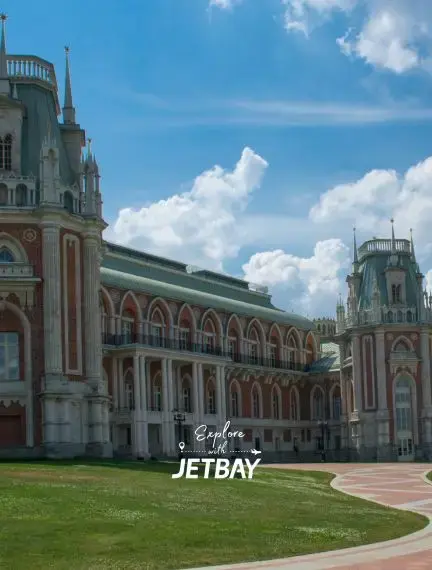
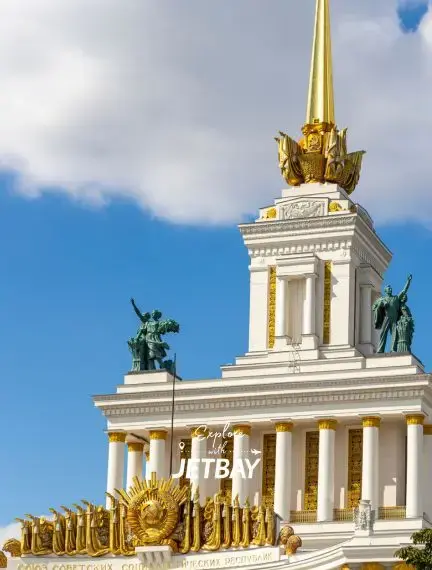
Moscow is Russia's capital and largest city, known for its monumental architecture, historic landmarks, celebrated theatres and extensive cultural institutions. Its skyline combines centuries-old churches, grand avenues, Soviet-era buildings and contemporary skyscrapers, creating one of Europe's most distinctive urban landscapes.
For travellers interested in history, architecture, art and culture, Moscow offers an extensive range of experiences. The city is home to the Kremlin, Red Square, the Bolshoi Theatre, major art galleries and some of Russia's most recognisable architectural landmarks.
Moscow also remains a significant commercial and financial centre, with modern business districts, international exhibition facilities and established hospitality infrastructure.
For private jet travellers, a potential visit may involve business meetings, cultural programmes, private dining, family travel or specialist itineraries. However, current security risks, international sanctions and aviation restrictions mean that travel arrangements require additional scrutiny and may not be feasible.
Private Jet Access via Moscow Vnukovo Airport
Private jet access to Moscow has traditionally been associated with Vnukovo International Airport (VKO/UUWW), particularly its dedicated business aviation facilities at Vnukovo-3.
The Vnukovo-3 business aviation centre provides separate international and domestic passenger terminals, aircraft handling infrastructure, passenger lounges and meeting facilities. Its international terminal has a stated area of approximately 7,000 square metres.
Vnukovo is located southwest of central Moscow, with ground transfer times varying considerably depending on traffic and the final destination.
Other airports serving the Moscow region include Sheremetyevo (SVO) and Domodedovo (DME). Their suitability for a particular private charter depends on aircraft specifications, permitted operations, handling arrangements and airport availability.
For private jet charter, planning must consider aircraft registration, operator authorisation, flight permits, airport handling, parking, insurance, payment arrangements and applicable international sanctions.
Important aviation and travel notice: As of October 2026, private aviation to Russia faces substantial legal and operational constraints. EU restrictions prohibit various Russian-operated, registered, owned or controlled aircraft from EU airspace and also affect certain non-scheduled flights.
EASA's active conflict-zone bulletin identifies Moscow airspace among the affected areas and advises covered operators not to operate there. Travellers should review the advisory applicable to their nationality before making arrangements.
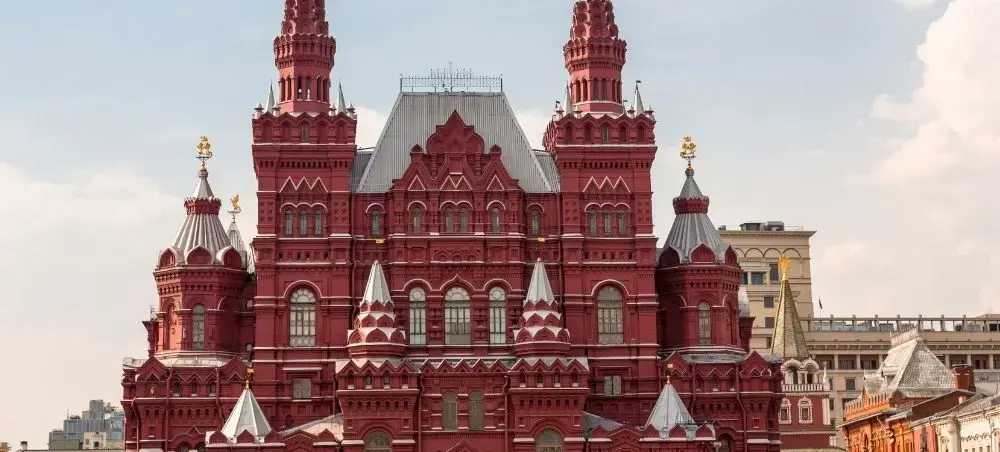
The Kremlin, Red Square and Historic Moscow
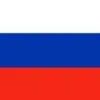
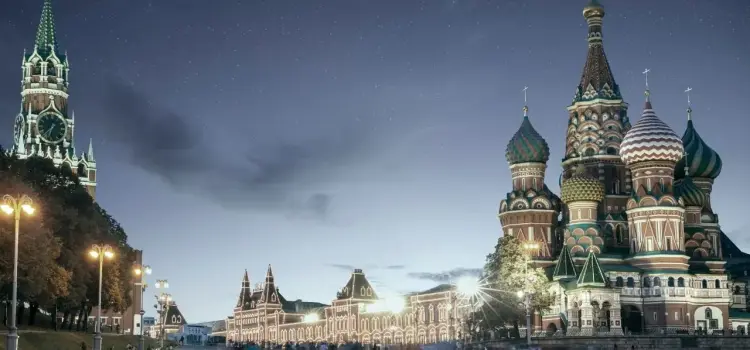
The Kremlin and Red Square form the historic heart of Moscow and are among Russia's most recognisable landmarks.
The Kremlin is a fortified architectural complex containing historic cathedrals, palaces, government buildings and museums. Its development reflects centuries of Russian political and religious history.
The Moscow Kremlin Museums include the Armoury Chamber and the architectural ensemble of Cathedral Square. Visitor access and opening arrangements vary by exhibition and security requirements.
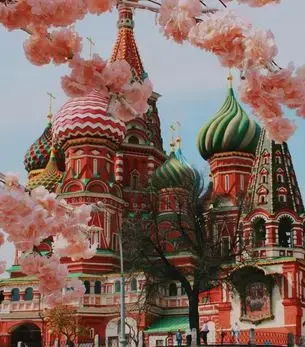
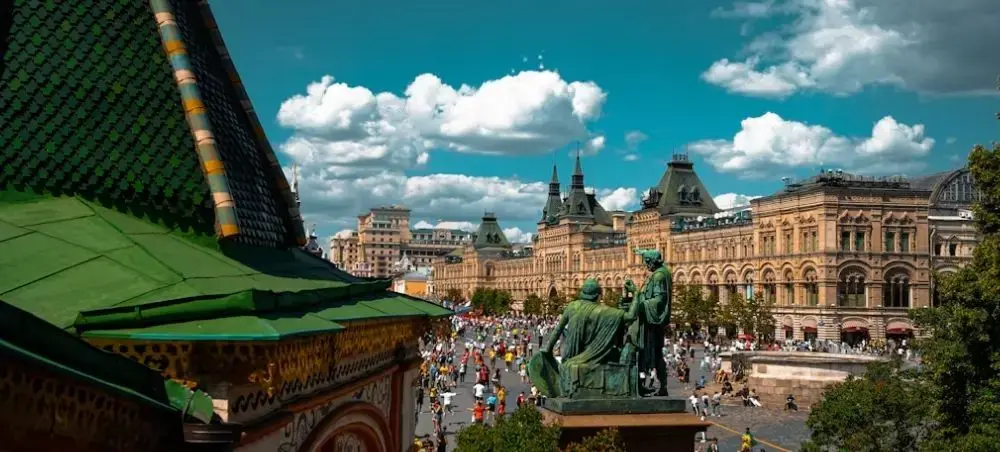
Outside the Kremlin walls, Red Square is surrounded by celebrated landmarks, including Saint Basil's Cathedral, the State Historical Museum and the historic GUM department store.
For cultural travellers, the area offers a concentrated introduction to Moscow's architecture and heritage. A guided visit can focus on Russian history, religious architecture, decorative arts and the city's development. Access to government and heritage sites may change without notice, so tickets, security arrangements and permitted areas should be confirmed in advance.
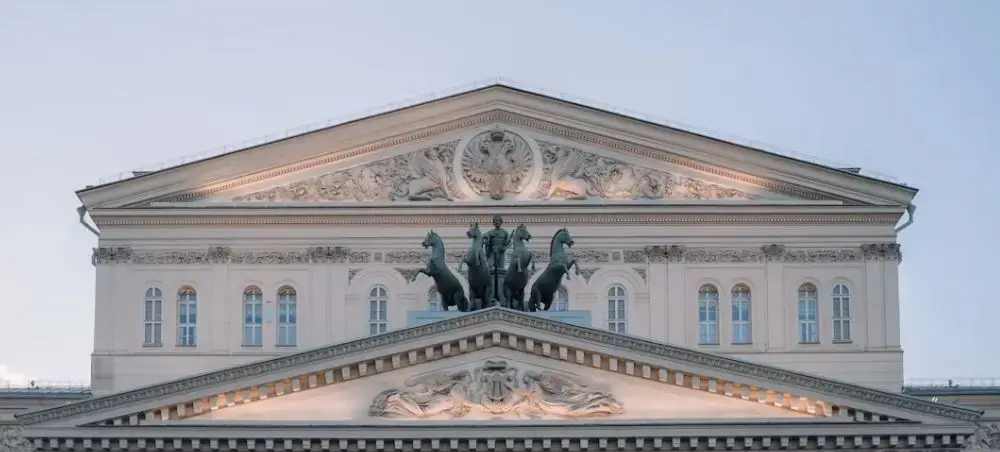
Bolshoi Theatre, Ballet and Classical Performances
Moscow has a long association with classical music, ballet and opera. The Bolshoi Theatre is one of its most celebrated cultural institutions and a landmark of Russian performing arts.
Located near Theatre Square, the Bolshoi is recognised for its neoclassical architecture, historic auditorium and contributions to ballet and opera.
For travellers interested in the performing arts, an evening at the theatre can be a centrepiece of a Moscow cultural itinerary. A performance may be paired with a restaurant reservation, a visit to the surrounding historic district or an exploration of the city's musical heritage.
Other venues, including the Moscow Conservatory and major concert halls, offer classical programmes throughout the year.
Tickets and performances should be verified before planning a visit, particularly where travel dates are fixed or access arrangements may change.

The Tretyakov Gallery and Russian Art
Moscow is an important destination for Russian visual art, with collections spanning religious icons, classical portraiture, historical painting and modern movements.
The State Tretyakov Gallery is among the city's most significant art institutions, known for its extensive collection of Russian works.
Its historic Lavrushinsky Lane building presents an opportunity to explore the development of Russian art through different periods, while other museum venues and temporary exhibitions broaden the experience.
For a more focused cultural itinerary, travellers can arrange a specialist guide to explore selected artists, historical periods or themes.
Moscow also offers contemporary galleries, design exhibitions and cultural spaces housed in both historic and converted industrial buildings.
The city's art scene provides an opportunity to combine traditional heritage with modern creative expression.
Moscow City, Contemporary Architecture and Business Travel
Moscow's modern business landscape is particularly visible in the Moscow International Business Center, commonly known as Moscow City.
The district features high-rise office towers, hotels, commercial developments and observation areas that contrast sharply with the capital's traditional architecture.
For travellers interested in contemporary urban development, Moscow City provides a different perspective on the capital, particularly when viewed from the surrounding riverfront.
The area is also associated with corporate offices, professional services and business hospitality.
Moscow's wider commercial infrastructure includes conference venues, financial institutions, exhibition centres and international business facilities.
For an essential business visit, scheduling should allow additional flexibility for security controls, road traffic, communications disruptions and unforeseen changes to transport arrangements.
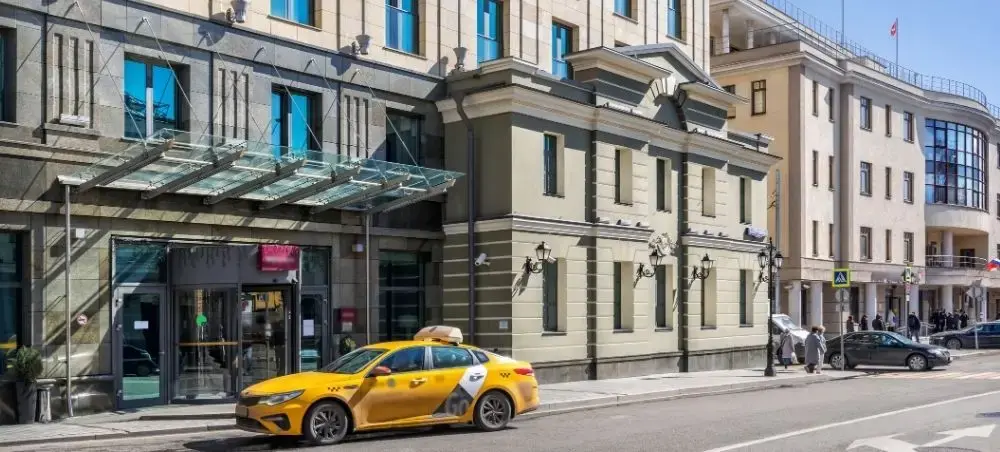
Luxury Hotels, Shopping and Fine Dining
Moscow's hospitality landscape includes grand historic hotels, contemporary luxury properties, established restaurants and prominent shopping districts.
The central neighbourhoods around Tverskaya Street, Red Square and the Boulevard Ring offer access to historic architecture, theatres, retail destinations and restaurants.
GUM, located along Red Square, is particularly recognisable for its elaborate historic shopping arcade and distinctive interior.
Dining in Moscow ranges from traditional Russian cuisine to modern interpretations of regional ingredients and international gastronomy. Classic dishes, seasonal produce and established restaurant traditions contribute to the city's culinary identity.
For travellers seeking a cultural city stay, accommodation near the historic centre can reduce transfer times between landmarks, restaurants and evening performances.
Travellers should verify hotel operations, international payment acceptance and booking conditions in advance, as financial restrictions can affect transactions and service availability.
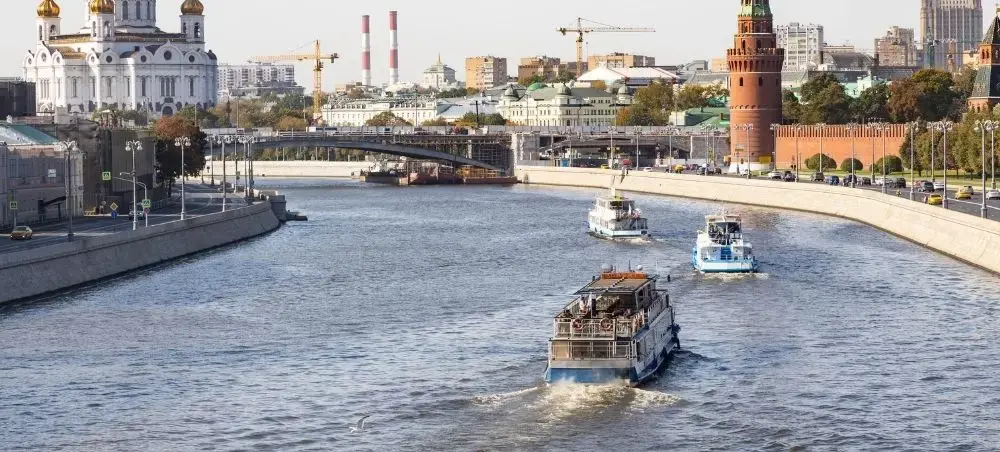
The Moskva River, Parks and City Landscapes
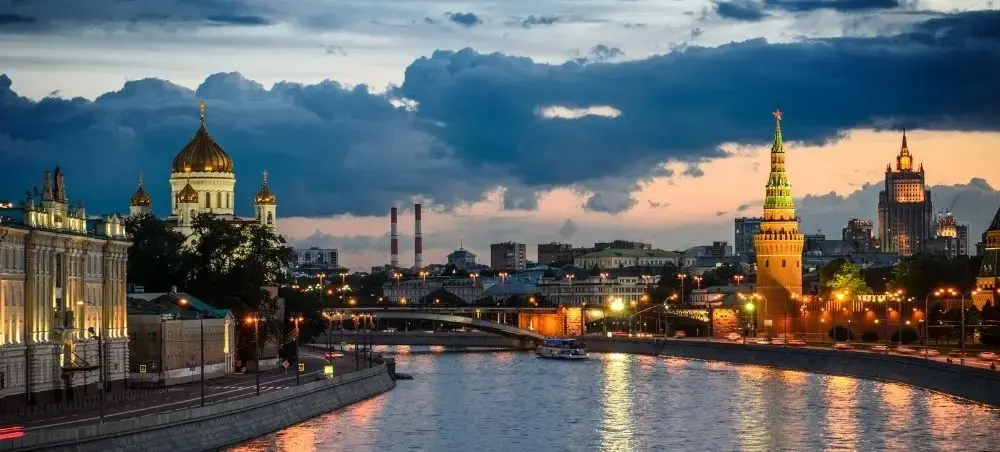
The Moskva River runs through the capital, linking historic landmarks, bridges, embankments and modern districts.
A river excursion can provide views of the Kremlin, monumental buildings and the contemporary city skyline from a different perspective.
Moscow also contains extensive green spaces, including Gorky Park, landscaped gardens and large urban parks suitable for walking and outdoor recreation.
Gorky Park is one of the city's most recognisable public spaces, offering riverside pathways, cultural activities and seasonal attractions.
For a relaxed itinerary, visitors can combine a museum morning with a riverfront walk, park visit or waterfront dining experience.
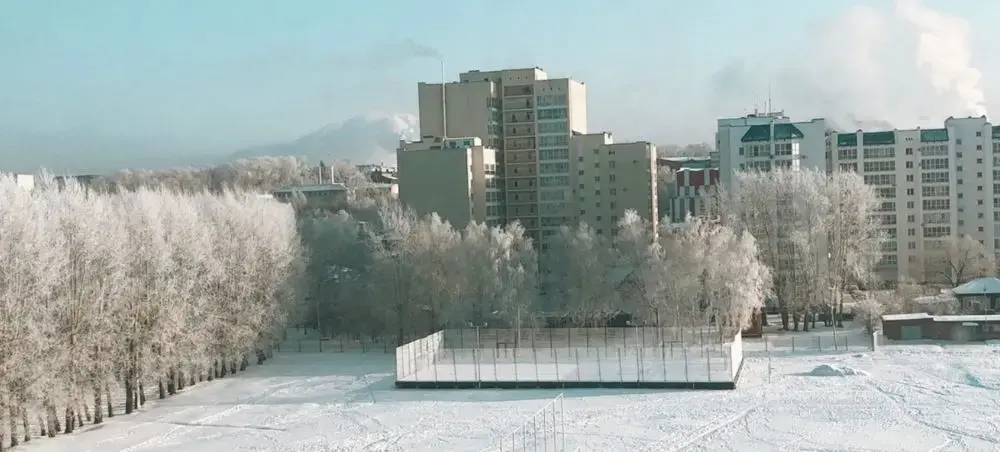
Outdoor activities are most appealing in the warmer months, although winter transforms many of Moscow's parks and riverside landscapes into snowy urban scenes.
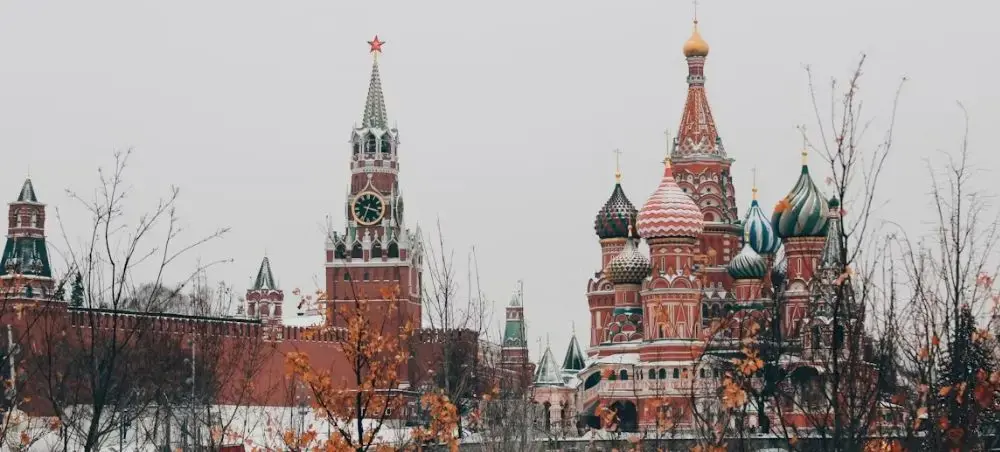
Seasonal Travel and Cultural Events
Moscow experiences distinct seasons, each creating a different setting for cultural travel.
Spring brings milder temperatures and the return of greenery to city parks. Summer offers long daylight hours, riverside experiences and opportunities to explore the capital's outdoor spaces.
Autumn is known for colourful foliage, cultural programmes and comfortable conditions for visiting museums and historic neighbourhoods.
Winter brings snow-covered architecture, festive decorations, seasonal performances and a particularly atmospheric setting around Red Square.
The city hosts exhibitions, theatre productions, concerts and sporting events throughout the year. However, international visitors should verify current event schedules, entry permissions and security arrangements individually.
Private jet planning must also account for winter aircraft handling, de-icing requirements and the possibility of sudden airspace restrictions.
Moscow as a Gateway to Central Russia
Moscow has historically served as Russia's principal aviation and railway hub, connecting the capital with other major cities and regions.
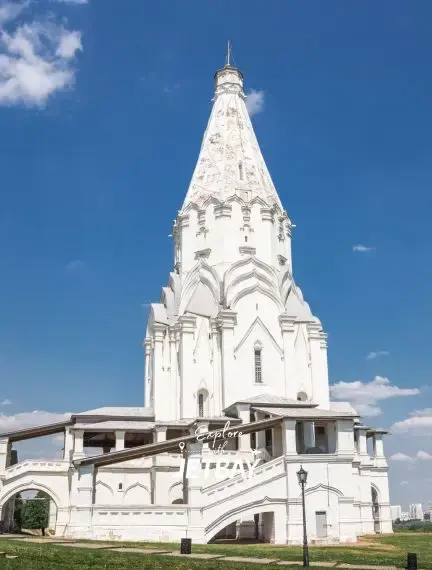
For cultural travel, potential extensions include the historic towns of the Golden Ring, known for churches, monasteries and traditional Russian architecture.
Other destinations may include Saint Petersburg or additional Russian cities, subject to available transport and current safety conditions.
A multi-destination itinerary would require careful consideration of aircraft availability, ground transport, route permissions and operational restrictions.
This is particularly important in the current environment, where airspace closures, sanctions, insurance limitations and security developments can affect travel without significant advance notice.
Any proposed charter route should be reviewed for legal compliance, operational safety and feasibility before a booking is considered.
Why Private Jet Travellers Consider Moscow
Moscow is a distinctive destination for travellers interested in Russian history, architecture, classical performance, visual arts and major international business centres.
Its historic centre offers famous landmarks such as the Kremlin and Red Square, while its cultural institutions and modern districts reflect different periods of the city's development.
A Moscow itinerary could focus on museum visits, historic architecture, theatre, dining and specialist business appointments.
However, the feasibility of visiting Moscow by private aircraft must be evaluated against current government travel advisories, airspace safety assessments and applicable sanctions.
Private aviation access should not be interpreted as a guarantee of safe or available travel.
Charter a Private Jet to Moscow with Jetbay
Jetbay is a private aviation platform that helps travellers search, compare and request charter options through its network of independent aviation partners.
For enquiries involving Moscow, any potential arrangement would require additional verification of aircraft availability, operator eligibility, applicable sanctions, insurance coverage, airspace safety and relevant flight permissions.
Some routes and aircraft arrangements may be unavailable or unsuitable under current conditions.
Submit your Moscow itinerary to Jetbay for an initial feasibility assessment, subject to applicable aviation regulations, security conditions and operational restrictions.