
 Share


About Private Jet Travel in Scottish Highlands
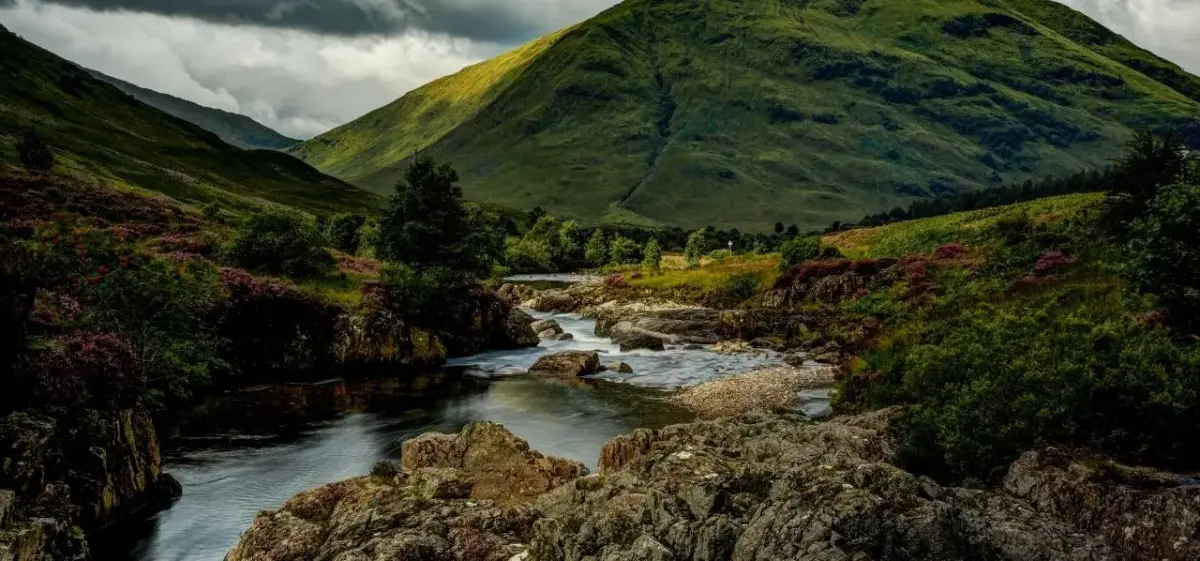
The Scottish Highlands cover a vast and sparsely populated region of mountains, glens, lochs, coastline and islands. The Highland Council area alone represents roughly one-third of Scotland’s land mass, and the broader cultural Highlands extend beyond that administrative boundary. Distances are significant, roads are often indirect, and a destination described simply as “the Highlands” may be several hours from the most obvious airport.
For private aviation travellers, that scale is the defining commercial consideration. Inverness, Loch Ness, the Cairngorms, Skye, Wester Ross, Caithness and Lochaber require different access strategies. A successful itinerary begins with the final estate, hotel, sporting ground or meeting location, then works backwards to the aircraft and airport rather than treating the region as a single point on a map.
Private Jet Access to the Scottish Highlands
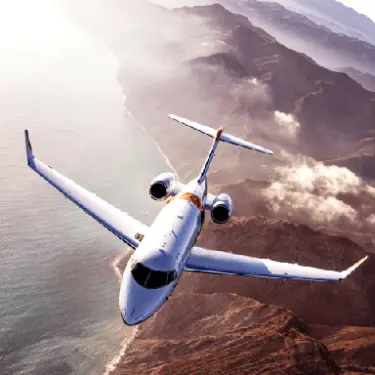
Inverness Airport (INV/EGPE) is the principal gateway for a private jet to the Scottish Highlands. Located north-east of Inverness, its main grooved asphalt runway, designated 05/23, is approximately 1,888 metres long. The airport states that it supports both light aircraft and corporate jets, with national and international handling available. Aircraft suitability still depends on passenger load, baggage, fuel, weather, runway condition and operator calculations.
Inverness publishes airfield hours of 06:15 to 22:45 daily, and pilots are directed to the AIP and current NOTAMs for operational information. Handling, PPR, customs or immigration notice, parking and fuel arrangements must be confirmed for the specific movement. A request outside normal hours cannot be assumed: HIAL’s published out-of-hours scheme excludes Inverness, although arrangements and emergency provisions vary across its airport network.
For the far north or island sectors, Wick John O’Groats, Stornoway, Benbecula and other regional airports may reduce surface travel. Their runways, pavement limits, opening hours, rescue category and handling capability differ, so a smaller aircraft or a separate onward sector may be required. Aberdeen, Glasgow and Edinburgh can also be practical gateways for the eastern, southern or western Highlands when aircraft range, parking or final ground destination supports that choice.
Mountains, Lochs and Highland Culture
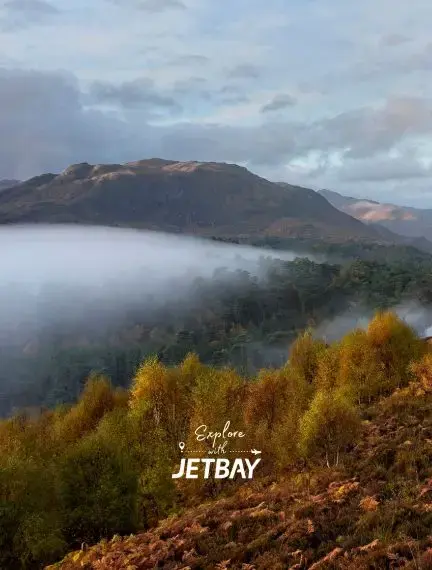
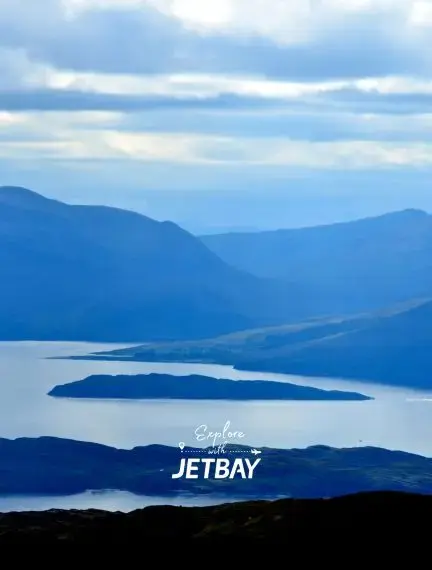
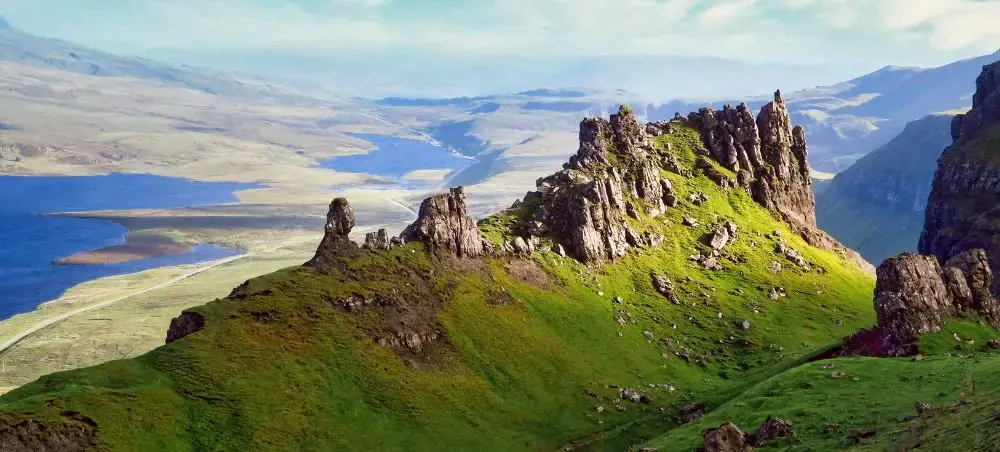
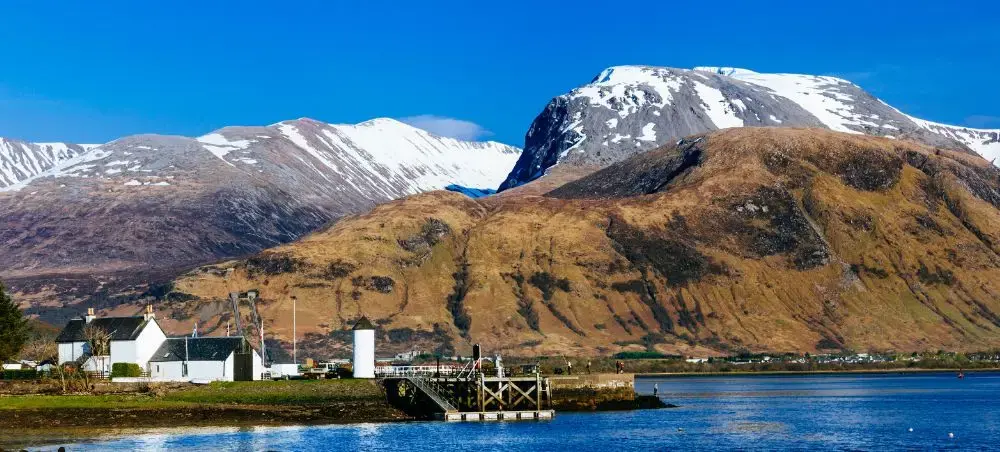
The Highlands are defined by geographic variety rather than one signature landscape. The region includes Ben Nevis, the highest mountain in the British Isles; Loch Ness, the United Kingdom’s largest lake by water volume; extensive peatlands in the Flow Country; ancient woodland, island coasts and long Atlantic-facing sea lochs. These features create strong visual continuity while making travel between individual destinations slower than mileage alone suggests.
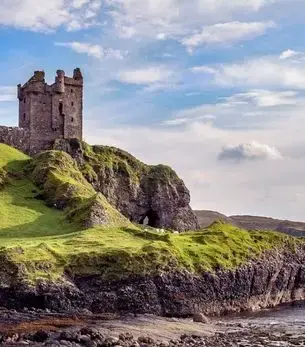
Culture is equally place-specific. Gaelic language, clan history, music, crofting, fishing and food production remain connected to local communities, while castles and estates reflect layered political and land-use histories. The strongest itineraries allow time for those distinctions instead of reducing the Highlands to a scenic drive. Private access should also be coordinated with estate management, local guides and community expectations where relevant.
Seasonality, Weather and Mission Planning
The Highlands operate differently by season. Summer brings long daylight, wider opening patterns and strong demand for estates, lodges, golf, walking and island itineraries. It also brings busier roads and pressure on accommodation and vehicle supply. Spring and autumn can offer more space and distinctive landscapes, but ferry timetables, attraction hours and ground services may be less frequent outside peak periods.
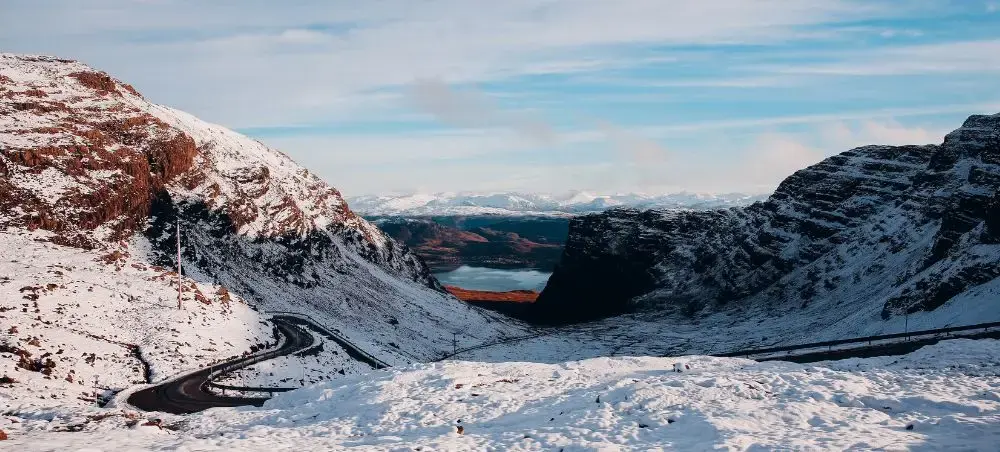
Winter requires greater schedule resilience. Short daylight, snow, icing, wind and low cloud can affect flying, helicopter transfers and remote roads. Even in summer, coastal weather may change quickly. A commercially sound charter plan should protect crew duty limits, arrange de-icing or hangarage where available, and retain a credible surface alternative. The itinerary should not depend on a helicopter or marginal-weather regional sector without a workable fallback.
Inverness as a Highland Base and Transport Gateway
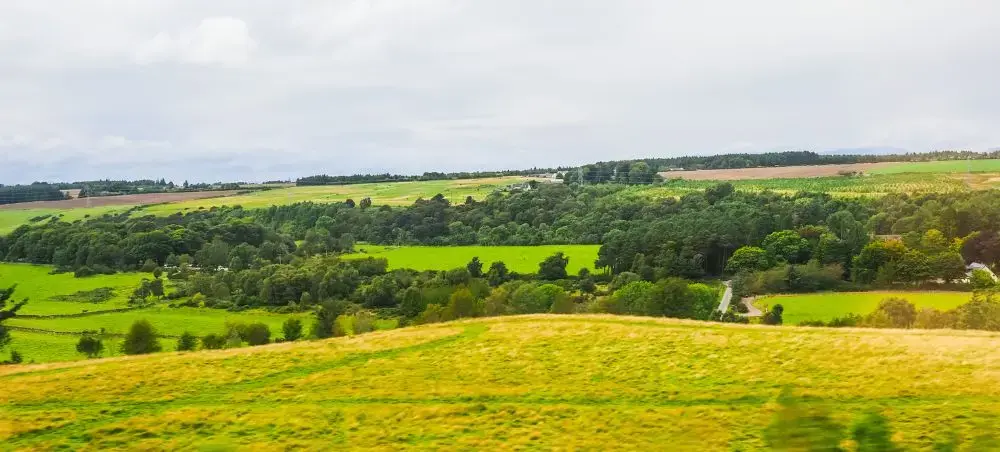
Inverness functions as the principal service and transport hub for much of the region. It offers road connections towards Loch Ness and the Great Glen, the Cairngorms, the Moray coast, Easter Ross and the north. Hotels, vehicle providers and professional services are more concentrated here than in remote areas, which can make the city a practical base even when the main purpose of the journey lies elsewhere.
For multi-stop travel, the broker should compare a single flight into Inverness with a combination of regional aircraft, helicopter and road sectors. Short flights can appear efficient but may lose their advantage once handling and transfer time are included. Helicopter operations depend on landing permission, terrain, weather, daylight, payload and local restrictions. The best plan minimises unnecessary repositioning while maintaining realistic alternatives.
Why Private Jet Travelers Choose the Scottish Highlands
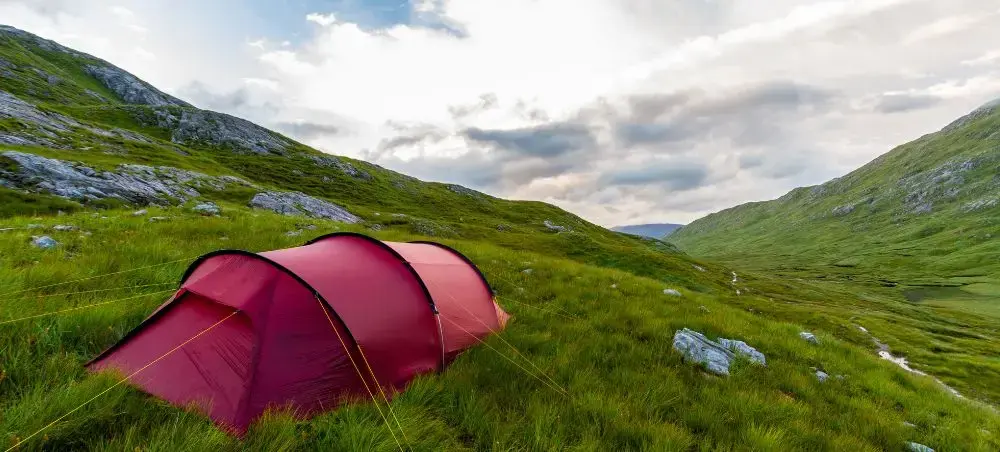
Private jet charter is most valuable in the Highlands when it reduces a difficult connection, supports a group travelling together or places the aircraft closer to a remote final destination. It can also make a multi-region Scottish itinerary more workable. The benefit comes from mission design and schedule control, not an assumption that every Highland airfield can accept every aircraft at any time.
Charter pricing is dynamic. Aircraft category, range, repositioning, passenger and baggage load, airport charges, handling, parking, crew time and remote ground logistics all affect the quote. Empty legs may reduce the aircraft cost when an existing movement aligns with the itinerary, but they remain schedule dependent. Transparent charter pricing should identify airport assumptions, onward-transfer costs and material weather or operating constraints before confirmation.
Charter a Private Jet to the Scottish Highlands with Jetbay
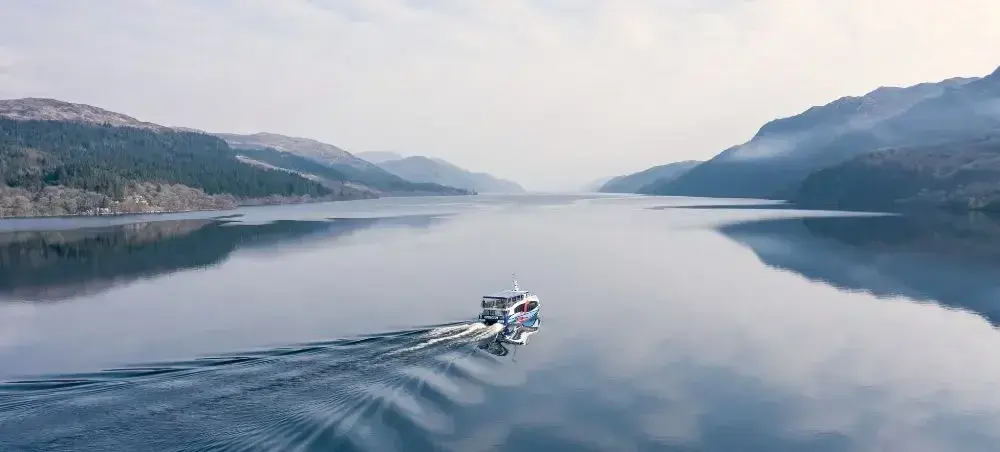
Jetbay can source an aircraft around the precise destination, route, passenger count, baggage and schedule, then compare Inverness with supporting regional or major Scottish airports. The procurement process should confirm runway suitability, PPR, handling, parking, operating hours, customs requirements and the onward ground or helicopter plan before contracting the flight.
To book a private jet to the Scottish Highlands, share the preferred dates, departure point and exact final location rather than the region alone. Jetbay will present suitable options with the operating assumptions and pricing components explained clearly, supporting a decision based on total journey practicality, resilience and cost.