

 Share
ShareUrban mobility is on the cusp of a revolution. As electric vertical takeoff and landing (eVTOL) aircraft gain momentum, a new form of luxury urban air travel is emerging—blending cutting-edge aviation with the convenience of premium, short-distance transport. These electric air taxis promise to transform how affluent travelers navigate congested cities, airport transfers, and regional travel corridors.
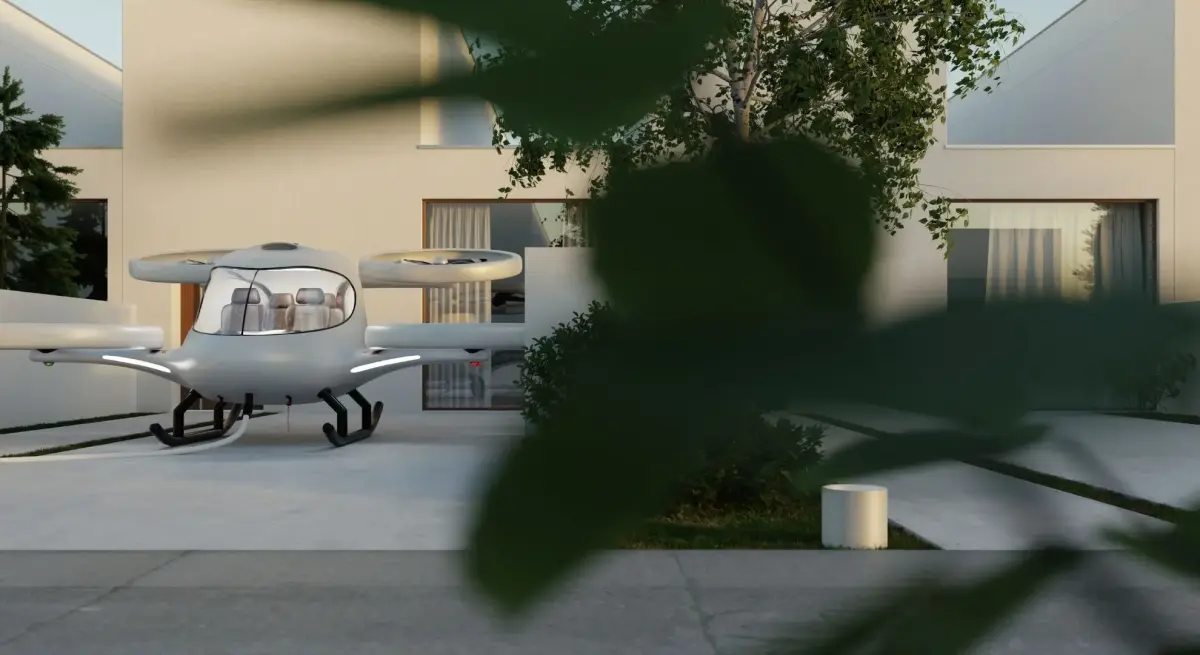
Technological Advancements in eVTOL Aircraft
At the heart of this evolution lies distributed electric propulsion, a key innovation enhancing safety through redundancy and improving agility for city-specific operations. Leading aviation startups such as Joby Aviation and Lilium are pioneering this space with aircraft designed for quiet, efficient, and sustainable flight.
Battery systems are also advancing rapidly. Developments in solid-state batteries and high-silicon anodes are pushing energy density boundaries, while rapid-charging tech is ensuring aircraft can complete multiple trips per day from strategically located vertiports.
Learn more about eVTOL aircraft innovations from NASA.
Why the Luxury Market Is the First Adopter
Although initially conceived for urban mass transit, luxury has taken the early lead. High-net-worth individuals (HNWIs) and corporate executives value time as much as comfort, and eVTOLs offer both. Cities like Dubai, Paris, and Singapore are already preparing flying taxi services targeting affluent commuters. Urban air taxis can reduce travel time by up to 70% between key city nodes—think city centre to airport or CBD to marina—bypassing traffic entirely.
See how Dubai plans to launch eVTOL services.
For elite travelers used to business or first-class services, air taxis are a natural extension—especially when equipped with personalised service, zero wait time, and exclusive lounge access.
Premium eVTOL Service Models Emerging
Operators are shaping services around the luxury travel segment, offering:
On-Demand Services
App-based bookings targeting executives and private flyers. AI-driven scheduling and personalised routing for maximum convenience.
Scheduled Shuttle Services
High-frequency corridors—e.g., airport to city—operating on timetables similar to high-speed trains but with private lounge service and express check-in.
Exclusive Charter Options
Full aircraft bookings with bespoke interiors, concierge booking, and loyalty tie-ins with private clubs or luxury hotel chains.
Vertiport facilities are increasingly resembling FBO terminals, featuring luxury lounges, biometric check-in, on-demand hospitality, and curated food & beverage experiences. Paris' Le Bourget is already developing vertiport-ready infrastructure in partnership with Volocopter.
Regulatory Hurdles and Infrastructure Gaps
Despite the technological promise, regulatory readiness varies:
- FAA (US): Reclassified eVTOLs as “powered-lift” aircraft, delaying certification frameworks.
- EASA (Europe): Adopted SC-VTOL, a holistic, performance-based approach.
- Asia: Countries like Singapore and Japan have established working groups to accelerate certification and urban integration.
Vertiport infrastructure remains a constraint. Companies like Skyports are working with governments to deploy modular vertiports. But zoning laws, urban design, and capital intensity are barriers to mass rollout.
Air traffic integration is another challenge. Solutions such as unmanned traffic management (UTM) and AI-enabled airspace routing by Airbus and Thales are being tested in limited markets.
Market Players and Strategic Partnerships
Heavy investment is pouring in:
- Vertical Aerospace: Partnered with Bristow Group to scale luxury air taxi services using its VX4 aircraft.
- Archer Aviation: Collaborating with United Airlines to service high-end airport routes.
- EHang (China): Testing semi-autonomous eVTOLs for VIP passenger movement.
Future service models may include:
- Hybrid premium-economy tiers
- Fractional eVTOL ownership
- Subscription-based mobility passes
- Loyalty tie-ins with luxury real estate and private banking brands
Cross-sector integration is key. Real estate developers are already including vertiport access as a premium amenity in high-rise luxury apartments and resort communities.
The Road Ahead: What to Expect by 2030
As adoption grows, key developments include:
- Autonomy: Transition from piloted to remote and eventually fully autonomous operations.
- Solid-State Batteries: Commercial deployment for long-range, low-noise luxury flights.
- Urban Integration: Vertiports as part of smart city infrastructure alongside electric vehicles and hyperloop networks.
- Luxury Standardisation: eVTOL cabins designed to rival business jets in comfort and design.
Cities that succeed in attracting early investment will benefit from first-mover advantage, influencing policy, infrastructure, and tourism flows.
Learn how Singapore is integrating UAM into its national mobility plan.
Travel the Future with Jetbay
At Jetbay, we monitor the latest trends and technologies shaping the future of luxury travel. As urban air mobility becomes a reality, we are committed to helping our clients explore and access the most advanced options in private aviation—including future eVTOL integration.
Whether you're flying by jet today or planning for tomorrow’s air taxi networks, our bespoke charter solutions, premium concierge service, and industry-leading tech platforms ensure every journey is seamless and exceptional.
Ready to elevate your private jet charter experience? Contact us today for a personalised consultation or get a tailored quote for your next private jet journey. Discover seamless, flexible travel with Jetbay. Click here to get started.