

 Share
ShareGlobal Prices Climb, Business Aviation Feels the Impact
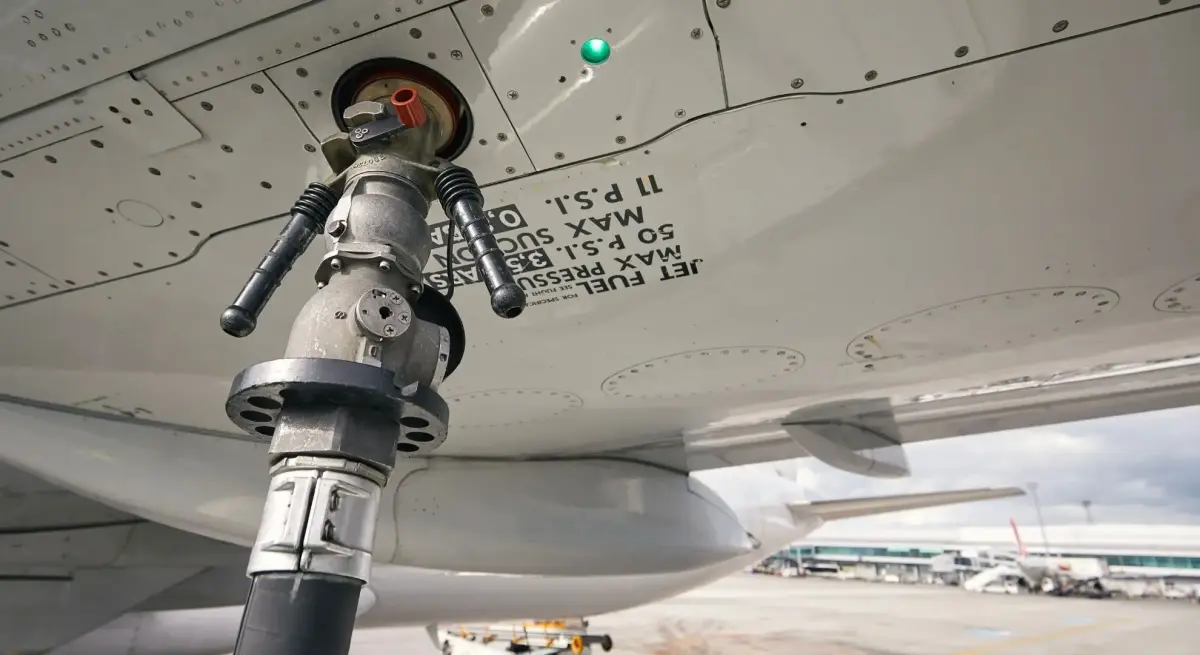
According to data published by Aviation Week Network, the global average jet fuel price rose to US $92.22 per barrel in the week ending 24 October 2025 — up from US $89.56 the prior week [1]. Meanwhile, the International Air Transport Association (IATA) reported that jet-fuel prices increased by about 4.6% week-on-week, reaching US $96.46 per barrel in a recent gauge [2].
For the private aviation sector, this rise in fuel cost translates into heightened operational cost risk, and a clearer imperative for transparent charter pricing.
What This Means for Charter Operations and Brokers
Cost Pass-Through Becomes a Must
With fuel now representing a larger share of trip operating cost for large-cabin and ultra-long-range business jets, brokers need to re-evaluate how and when fuel surcharges, minimum-flight hours or repositioning costs are communicated to clients. At Jetbay, we recommend building fuel-price escalation clauses into quotes, especially for global repositioning or long-haul charter sectors.
Inventory Strategy and Availability Impacts
An increase in fuel price can compress operator margin and encourage aircraft to stay closer to home base rather than reposition for opportunistic charters. This may reduce availability of aircraft in some global markets, making advanced planning even more critical. Jetbay’s insight: clients should book early, lock in pricing where possible, and consider routing flexibility to mitigate surcharges.
Transparency Differentiates a Trusted Charter Broker
In a market where fuel cost volatility is rising, Jetbay’s position as a transparent charter broker becomes a meaningful differentiator. By clearly disclosing fuel-related cost drivers in charter proposals and providing insight into how fuel market changes affect pricing, we build stronger client trust and align with UHNWI expectations of clarity and premium service.
Strategic Outlook – What to Watch in Q4 and Beyond
- Fuel supply chain risks: Political tensions and refining capacity constraints can trigger sudden price jumps.
- Sustainable aviation fuel (SAF) premiums: As SAF uptake increases, substitution costs remain higher and may flow through to charter pricing structures [3].
- Regional pricing disparities: Different geographies see different refuelling cost bases and tax structures, brokers like Jetbay will monitor regional cost baselines closely.
- Client education imperative: As fuel costs rise, for many charter customers the margin between “charter or business class” narrows; clear educational messaging becomes a competitive edge.
Conclusion
October 2025’s jet-fuel price surge is more than just a headline. For the private aviation segment, it marks heightened cost pressure, tighter availability and a need for more pricing transparency. At Jetbay, we are committed to navigating these dynamics on behalf of our clients. We aim to keep offering vetted aircraft charters, clear pricing, and reliable broker services in a changing cost environment.
Source:
[1] "Jet Fuel Price Index, Week Ending Oct. 24, 2025", Aviation Week Network.
[2] "Jet Fuel Price Monitor", IATA.
[3] "Airlines face price-gouging by green jet fuel sellers, IATA says", Reuter.