

 Share
ShareHow Ultra-Luxury Homes Are Being Designed — And Why It Matters for Personal Assistants
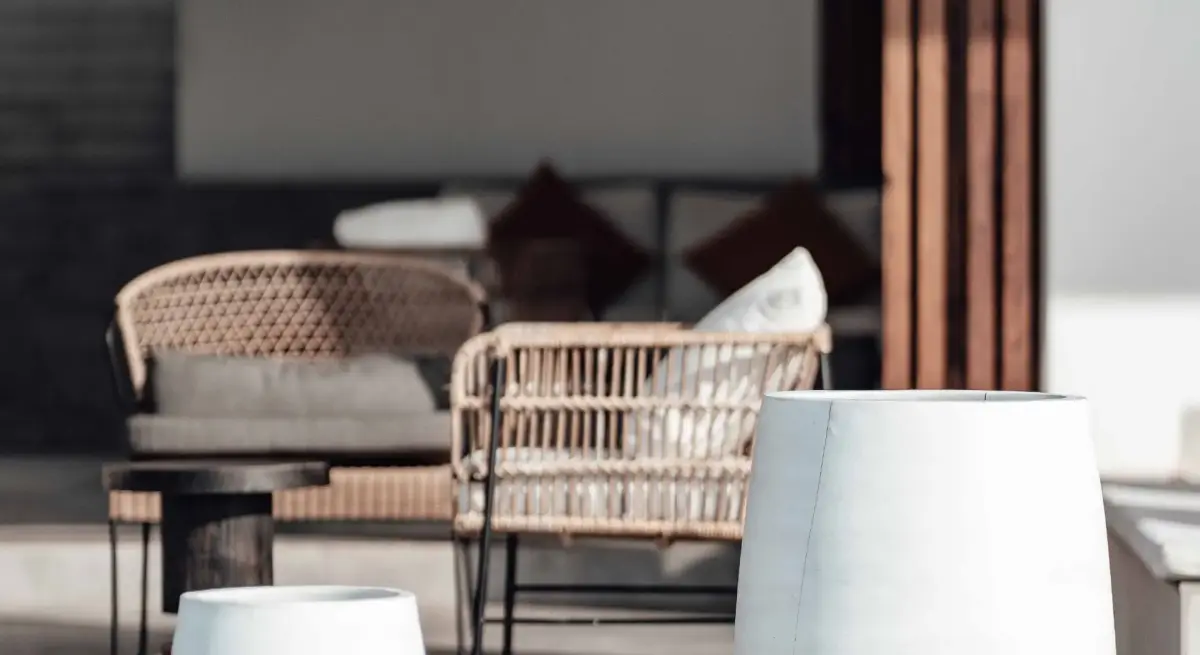
For the world’s ultra-high-net-worth individuals, the private residence is no longer a static symbol of wealth. It has become a living ecosystem — one that balances privacy, wellness, security, and effortless hosting at a level once reserved for the world’s most exclusive hotels.
Today’s most coveted homes are not designed to impress the masses. They are built to serve highly mobile lifestyles, global families, and principals who move seamlessly between private aircraft, yachts, and residences across continents.
For Personal Assistants and family office professionals supporting UHNWIs, understanding how principals live is essential to managing how they move.
Discretion Has Replaced Display
Modern ultra-luxury homes prioritise discretion over visual statements. Design trends increasingly favour muted materials, architectural restraint, and layouts that protect privacy rather than announce wealth. Low-visibility arrival routes, concealed entrances, sound-buffered zones, and private circulation paths are becoming standard, particularly for principals who value anonymity or operate in sensitive industries.
This shift reflects a broader mindset change: visibility is no longer a status symbol. Control is.
And this architectural discretion often aligns directly with how UHNW individuals now prefer to travel.
Homes Designed for Hosting — Without the Theatre
Entertaining remains central to UHNWI life, but the mechanics are increasingly invisible.
Behind sculptural show kitchens sit fully operational chef kitchens capable of supporting large-scale private events without interrupting the guest experience. Concealed service corridors, staff-only circulation paths, and modular entertaining spaces allow gatherings to scale seamlessly — from intimate family dinners to multi-dozen receptions.
For principals accustomed to five-star service in the air, expectations on the ground are no different: flawless execution, minimal disruption, and absolute discretion.
Wellness Moves In Permanently
Wellness has shifted from amenity to infrastructure. Elite residences now integrate spa-level environments that rival destination retreats: hydrotherapy pools, hammams, saunas, cryotherapy rooms, oxygen chambers, and recovery suites are no longer indulgences. They are essential components of daily life.
Rather than travelling for restoration, UHNWIs are bringing wellness home, embedding physical recovery and mental reset into their residences.
This, in turn, changes how and why they travel.
Technology That Anticipates, Not Announces
At this level, smart-home systems are not about novelty. They are about predictability and control. Lighting, climate, security, access permissions, and even event readiness are managed remotely. Principals and their teams can oversee multiple residences across time zones, allowing for sudden departures, rapid returns, and parallel occupancy across continents.
For PAs managing complex global schedules, this consistency reduces friction and uncertainty.
The goal isn’t innovation for its own sake.
It’s calm, reliability, and readiness.
Security as Architecture
Security is increasingly built into the structure of the home itself.
From discreet safe rooms and secure internal routes to underground access points and private helipad connectivity, protection is designed to remain unseen. The emphasis is on seamless movement without public exposure.
For PAs and family offices, this directly impacts:
- Arrival and departure planning
- Coordination with security teams
- Decisions around ground versus air transfers
- Timing to avoid public visibility
The home is no longer just a destination. It is part of the security strategy.
Jetbay Insight: Why Charter Is Overtaking Ownership in the Privacy Era
This evolution in residential design mirrors a significant shift in how UHNW individuals approach private aviation. Increasingly, principals are choosing chartering over owning private jets; not for cost reasons, but for discretion.
In a world where tail numbers can be publicly tracked, flight activity analysed, and movements inferred in real time, aircraft ownership creates a permanent digital footprint. For privacy-conscious individuals, this level of visibility conflicts with the discretion now built into their homes and lifestyles.
Chartering offers a different model:
- No persistent association with a single aircraft
- Reduced traceability across jurisdictions
- Greater flexibility in routing, timing, and aircraft selection
- Alignment with low-visibility travel preferences
From Jetbay’s perspective, this trend is especially pronounced among globally mobile principals who operate across multiple regions, maintain several residences, or prefer to keep travel patterns fluid and uncorrelated.
Just as homes are designed to avoid attention, chartered travel allows movement without signalling presence.
Privacy, once considered a luxury feature, has become a strategic requirement on the ground and in the air.
Why This Insight Matters for Travel Planning
Understanding how a principal’s home is designed helps inform how travel should be handled. When residences function as private sanctuaries, with wellness, hosting, and security already embedded, travel expectations shift toward:
- Faster transitions
- Fewer public touchpoints
- Precise timing and routing
- Consistency between home and aircraft environments
- Discretion over permanence
At this level, travel is not separate from lifestyle.
It is an extension of it.
A Note for PAs & Family Office Teams
The most effective travel planning happens when lifestyle, residence, and mobility are aligned.
For assistants coordinating private charters, recognising these residential and behavioural trends helps anticipate needs, minimise last-minute changes, and uphold the standards principals expect without unnecessary exposure or complexity.
In 2026, luxury is no longer loud.
It is intentional, controlled, and quietly mobile.
For those who prioritise discretion, flexibility, and control, chartered aviation remains the quietest way to move between worlds.